Te Tai Toka
Southern Land, Southern People


Our region’s prehistoric past and unique links between people and land
About
Visitors to Southern Land, Southern People are met by an array of iconic southern objects, including a distinctive Moeraki boulder, a mounted takahē, and a gold nugget. Above your head, the night sky twinkles as it would have in October 950AD—the date, according to some traditions, of Māori arrival in New Zealand.
Diverse usage of natural resources allowed people to survive, thrive in, and shape southern New Zealand, a region also moulded by natural phenomena. Dunedin’s stone foundations preserve clues about the city’s fiery volcanic past, while fossil-rich limestone remains—including prehistoric marine reptiles, whales, and giant penguins—shed light on the evolution of modern species.
From grass to gold, fur seals to flax, clay to coal, the natural resources available have shaped the people of southern New Zealand, who have in turn left their mark on the landscape.
Don't Miss
The plesiosaur, New Zealand’s largest vertebrate fossil
One of only three complete Haast’s eagle skeletons in museum collections worldwide
The world’s most comprehensive display of articulated moa skeletons
A glass plate camera used by the Burton Brothers, who established a nationally important photography studio in Dunedin in the 19th century
A crocodile jaw fossil discovered in 16-million-year-old rock in Central Otago
Kā Taoka Hirahira
Gallery Highlights
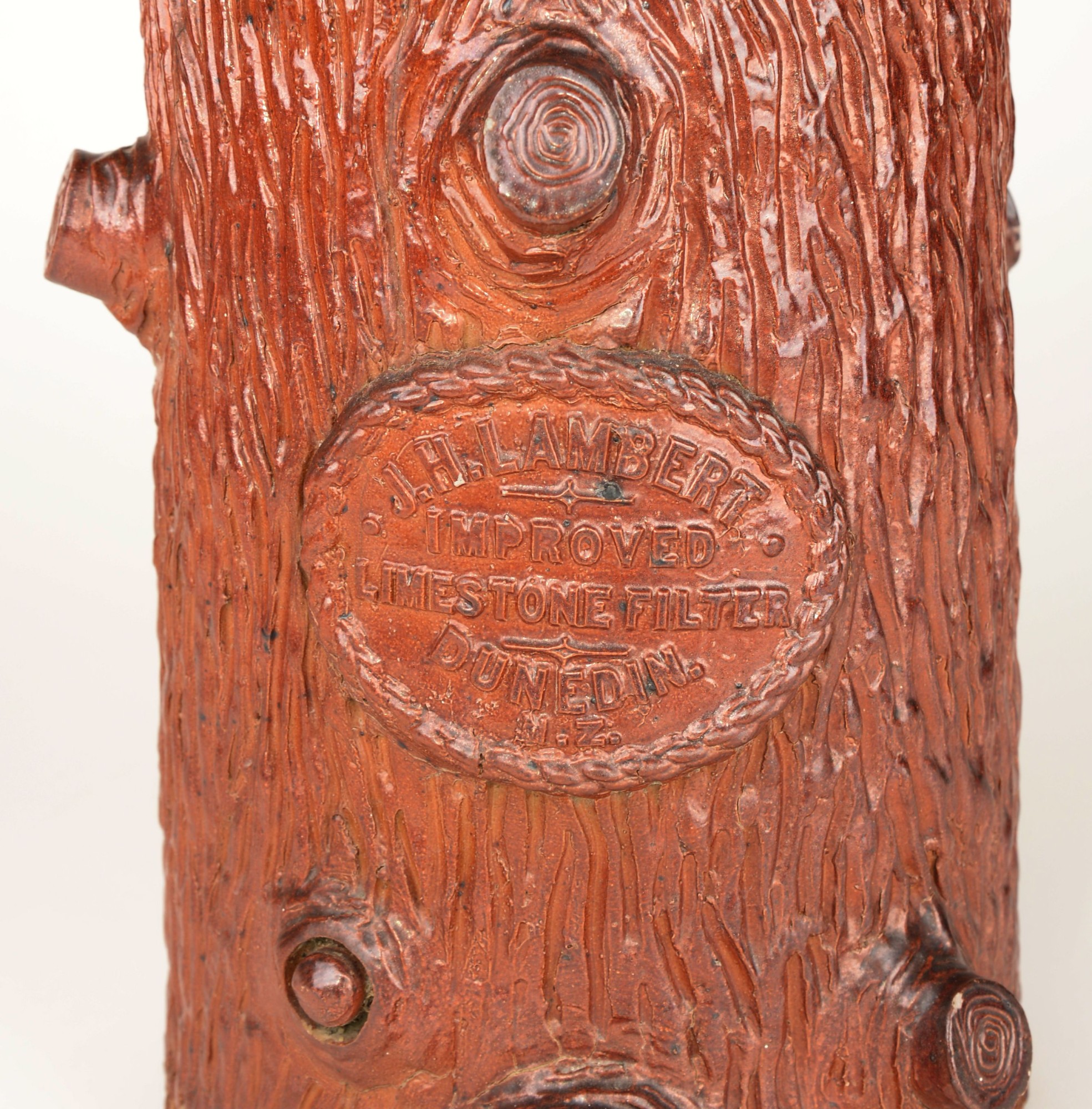
Ceramic water filter
Dunedin, New Zealand
-otago.jpg)
Shag Point plesiosaur
Kaiwhekea katiki
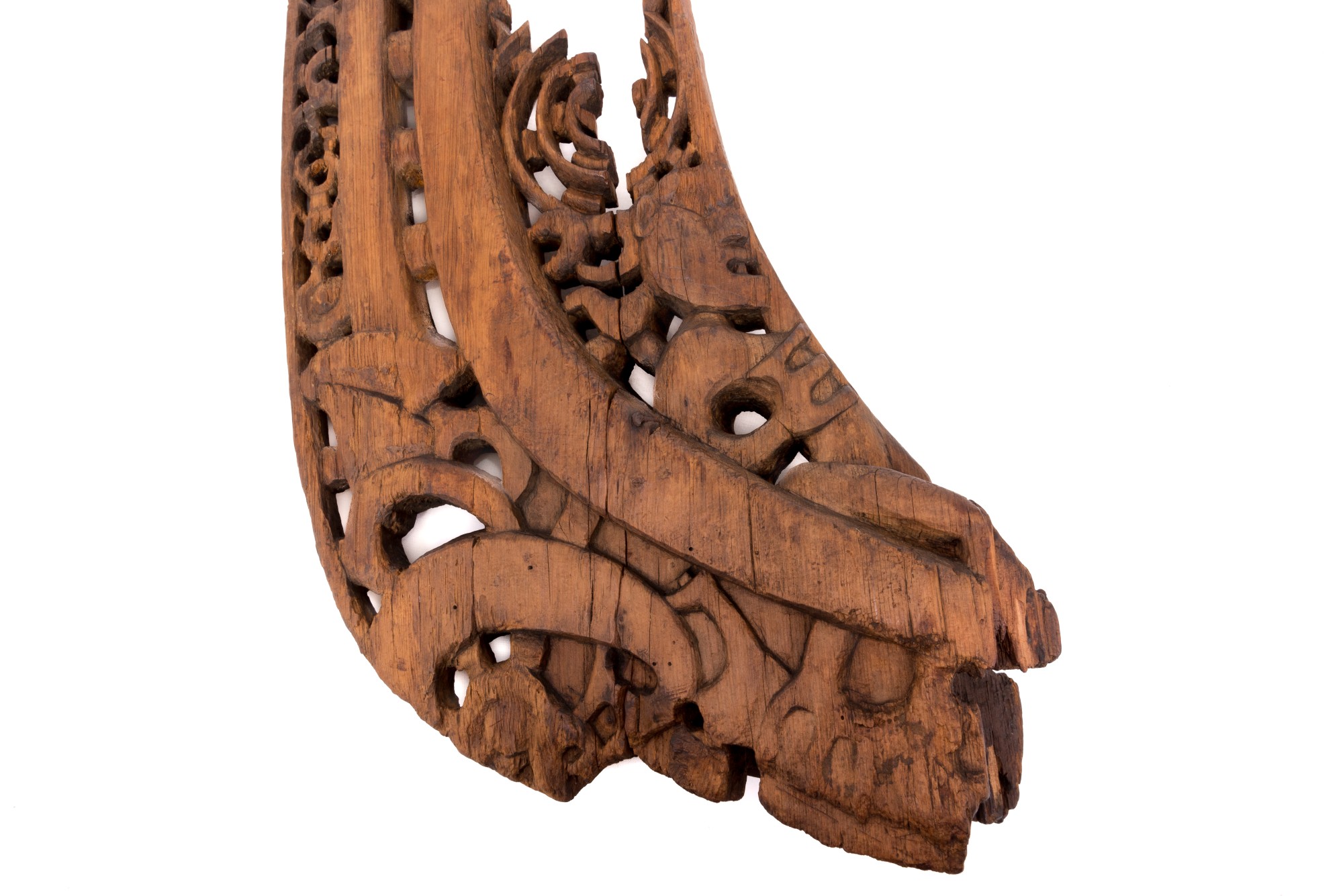
Taurapa
New Zealand
-_-serpentine-range.jpg)
Upland moa
Megalapteryx didinus