Kaitiakitaka
Collection Care and Development
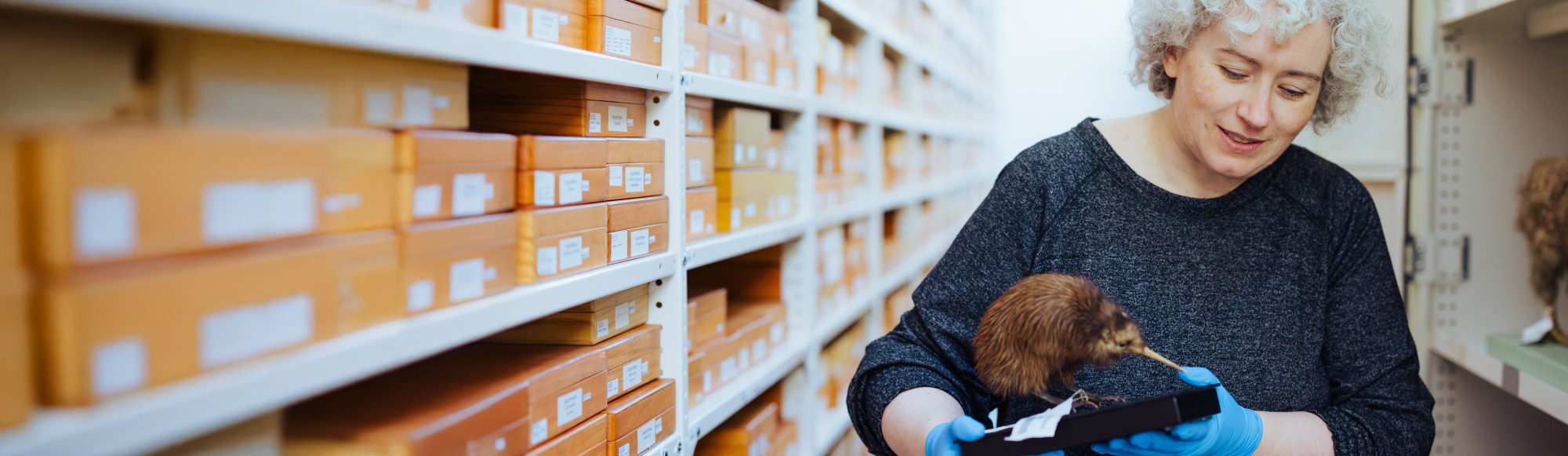
Collection Care
The main goal of the Collections team is to care for, research, and make our collections accessible
It can be a delicate balancing act to ensure we are helping to share the collection with the public, while also reducing the risk to objects from potential damage due to exposure and handling.
Curators are focused mainly on the research, interpretation, and presentation of the collection. Collection managers are responsible for the documentation, inventory, management, and care of collection items. Conservators have the responsibility of treating items in our collection that need some extra love. Most of what they do falls under preventive conservation: ensuring an object will be preserved in the best possible state for the future by avoiding (and minimising) deterioration or loss before it happens. They also carry out a wide range of remedial conservation treatments.
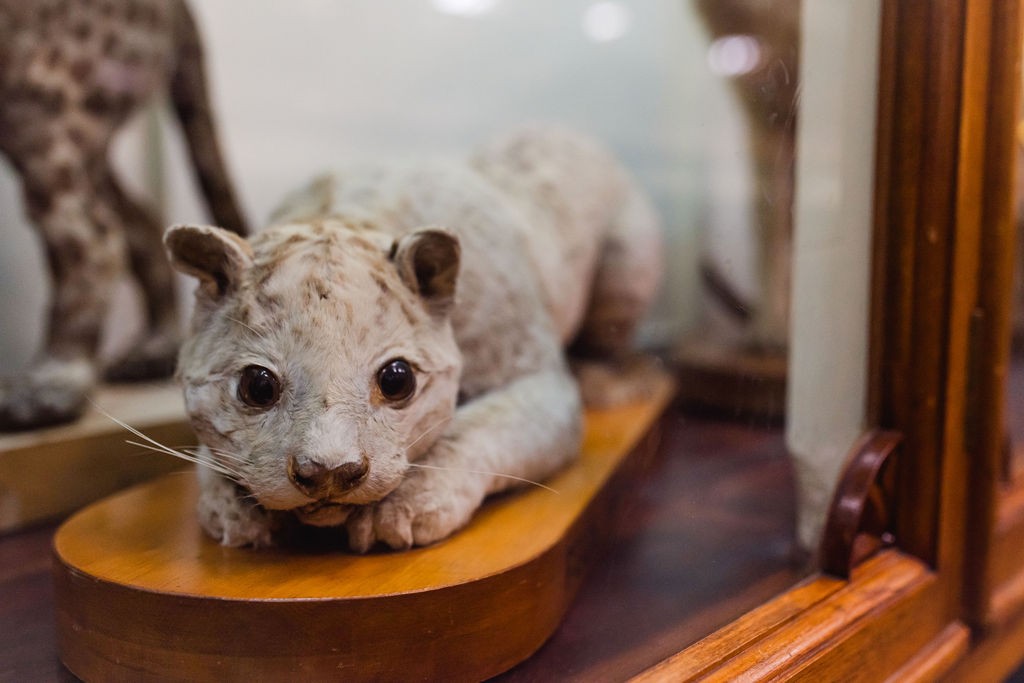
Development
Since its founding in 1868, Tūhura Otago Museum has been dedicated to collecting items that reflect the natural world, cultural heritage, and scientific discovery. As outlined in the Otago Museum Trust Board Act of 1996, the Museum is legally obligated to collect, preserve, research, and display materials and information related to the natural, cultural, and scientific heritage of people worldwide. Its focus is particularly on the Otago region, with an emphasis on world history, natural history, science, and their broader global context.
With the growing demands placed on museums, there has been a shift toward greater collaboration within the cultural and scientific communities. Museums are now working together more closely to reduce overlap in research and collection development, ensuring the more efficient use of limited resources. Tūhura Otago Museum’s collections are shaped by its strengths in these areas, as well as by contemporary research and educational priorities, both locally and nationally.
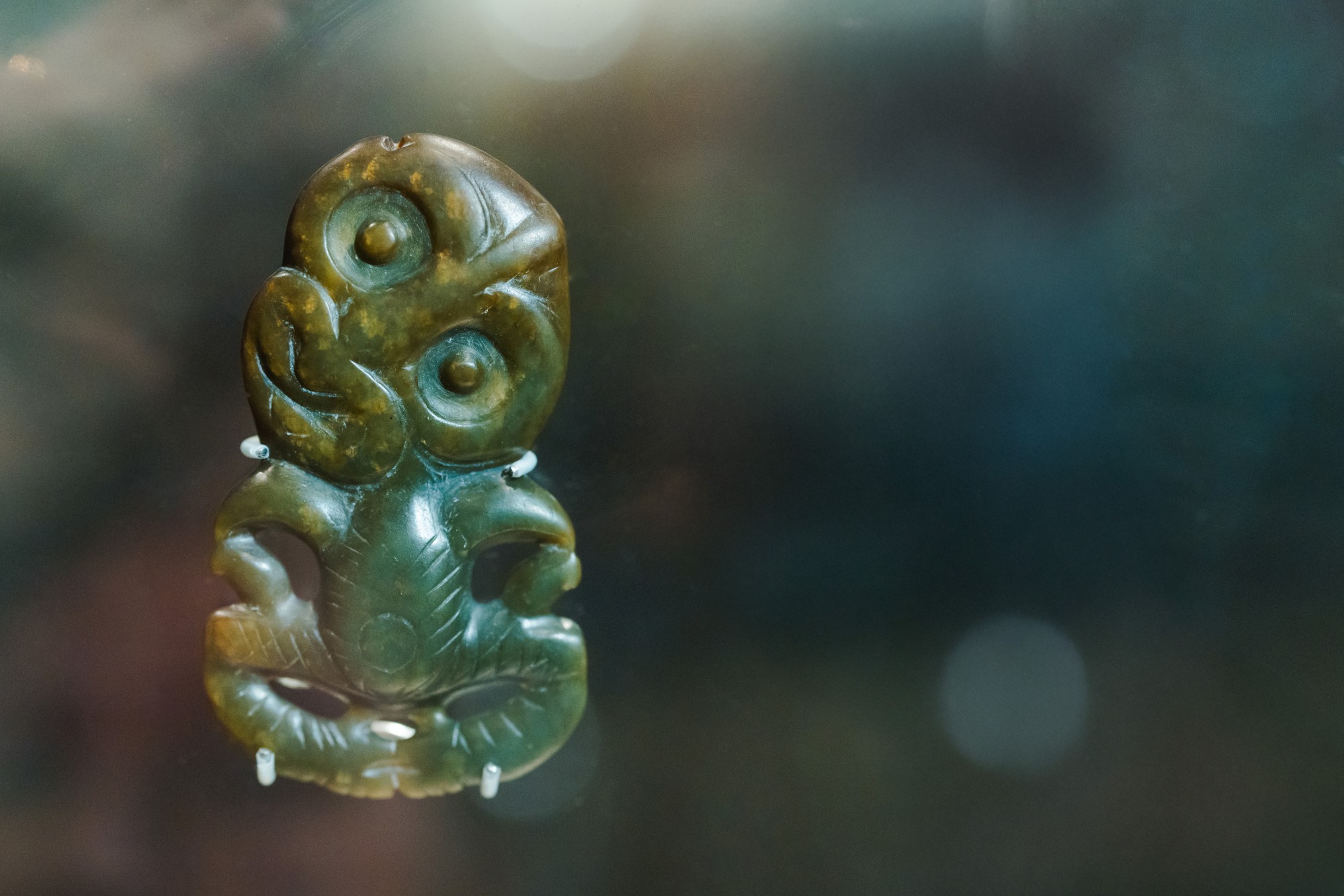
Taoka Collection Considerations
The Museum acknowledges the spiritual and cultural connections that taoka (treasures) have with iwi (tribes) through their whakapapa (genealogies). The ownership rights associated with taoka are rooted in these genealogies, extending to both the taoka itself and its creator. These rights grant iwi the authority to care for, speak on behalf of, and determine how taoka are used in the Museum.
Access to and handling of taoka will be managed in consultation with the relevant curator. In addition to preservation and conservation, the Museum actively supports the reconnection of taoka with their kaitiaki (guardians) to ensure their appropriate care. All tikaka (customs) relevant to the care of taoka will be observed.