Hītori
Our History
A uniquely Otago experience
Tūhura Otago Museum shares the natural, cultural, and scientific stories of Otago, Aotearoa New Zealand, and the world.
The Museum has been collecting objects for over 150 years, although many of the items in our collection are far older. Our collection includes over 1.5 million objects from around the globe, and we use these objects to tell our visitors more about the world—from here in Dunedin to deep space, from millions of years ago to envelope-pushing research.
From humble beginnings
We began as a small collection of rocks.
Sir James Hector's rocks, to be exact. He'd collected them during the Geological Survey of Otago. Hector later displayed these rocks, along with his maps from the survey, during the 1865 New Zealand Exhibition in Dunedin. He labelled it "Otago Museum" and the seed was planted.
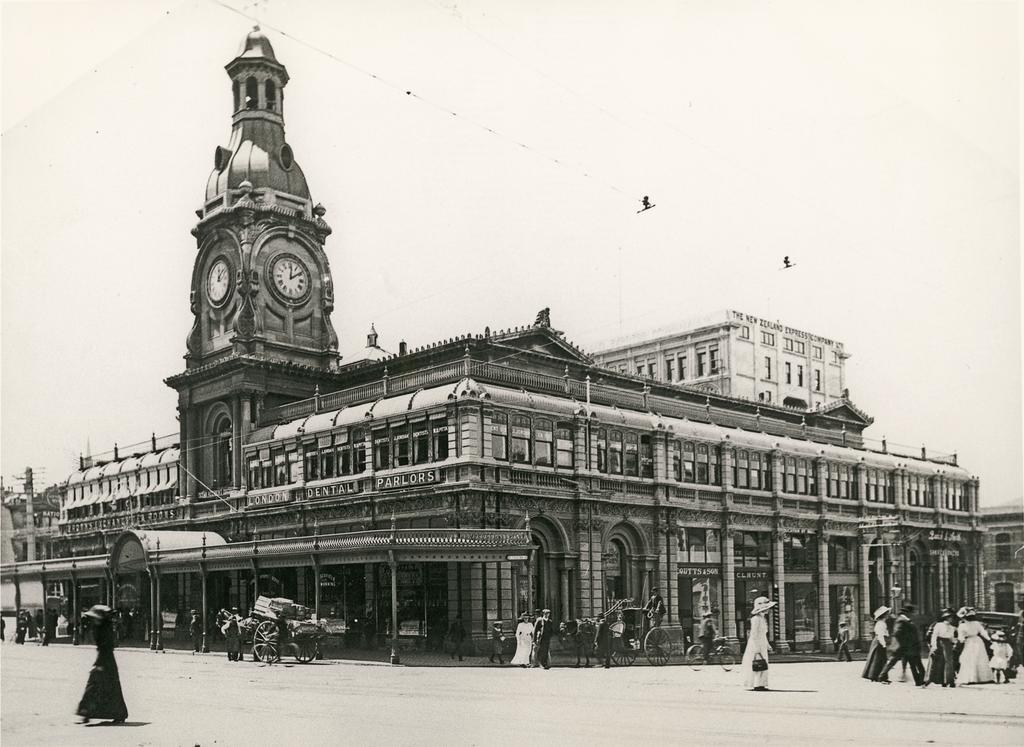
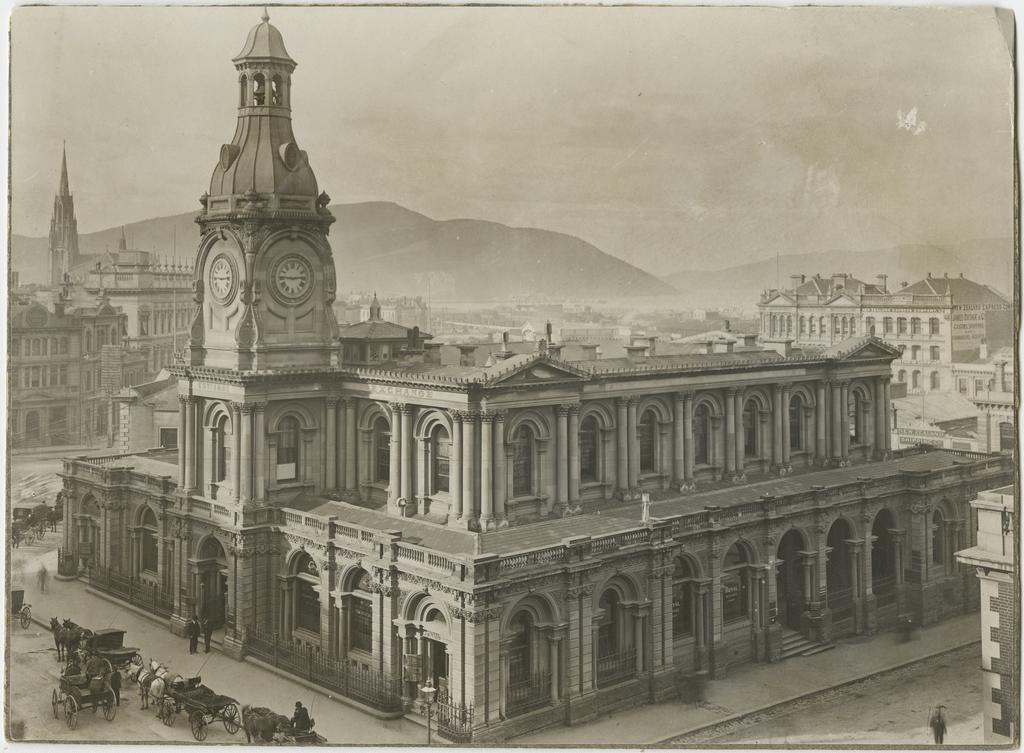
The rocks stayed in Dunedin after the Exhibition and became the Otago Museum, based south of the Octagon in a building known as the Exchange Building, where John Wickliffe House now stands. The Museum stayed there for about 10 years.
The big move
The Museum's collection grew under the care of its first curator, Captain Frederick Wollaston Hutton. Helped greatly by the trade of moa bones discovered in a swamp near Hamilton in the early 1870s, it eventually outgrew its lodgings, and Hutton oversaw the construction of a new home, designed by architect David Ross.
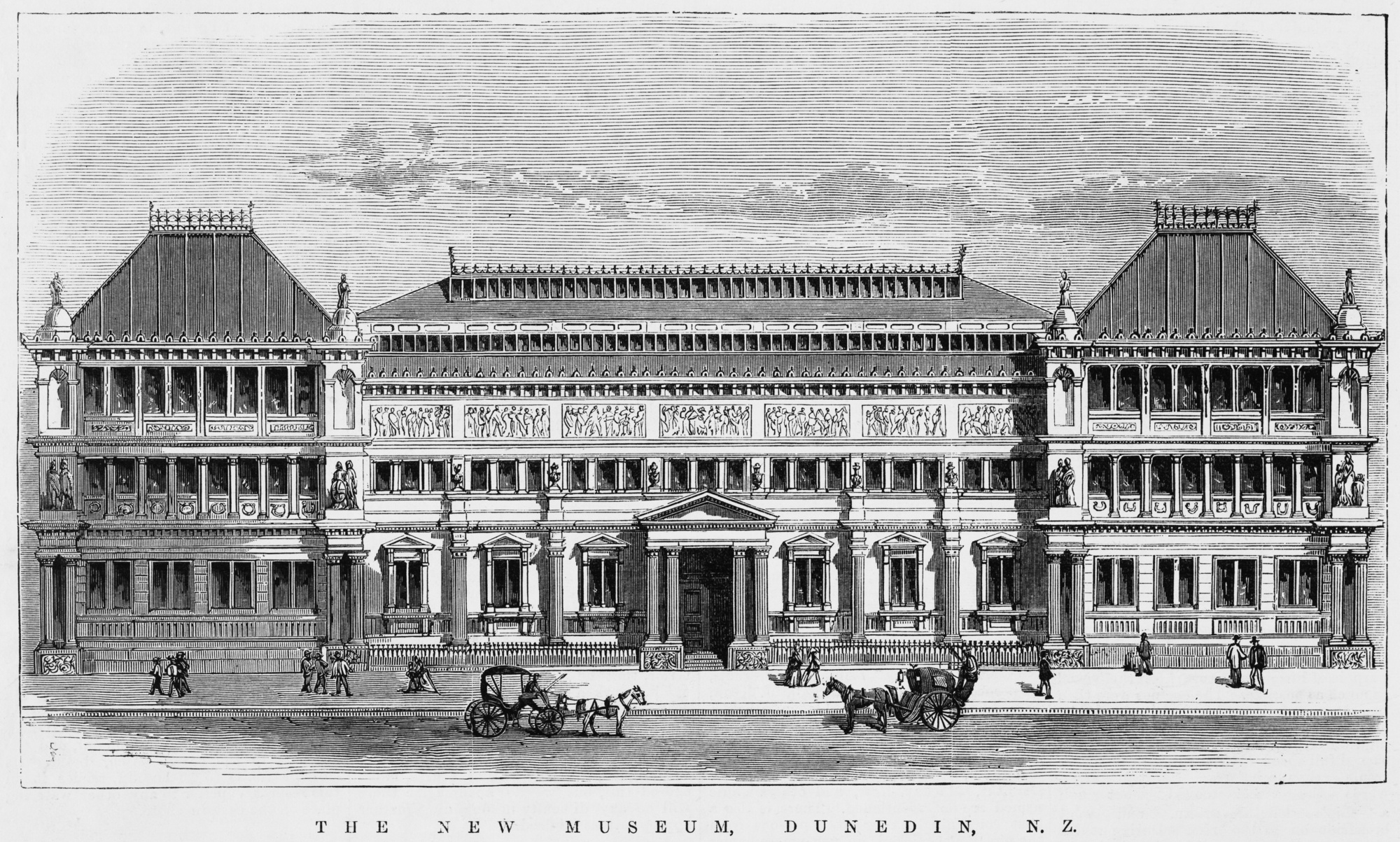
In 1877, the Museum reopened to the public at 419 Great King Street, where it remains to this day. You can still see the original front entrance, which now opens into the 1877 Gallery (named for that milestone year).
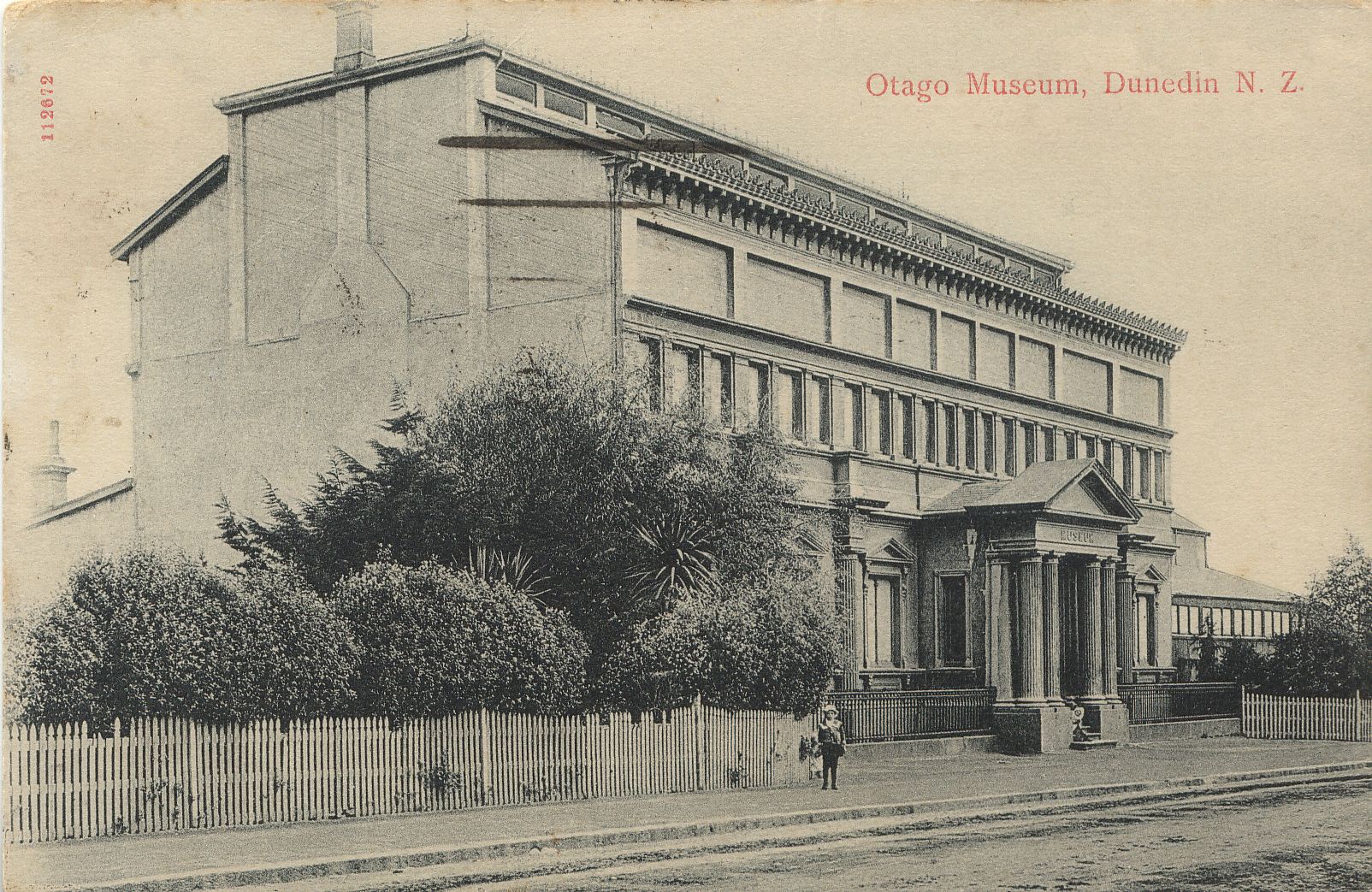
At the time of the relocation, reports say the Museum collection featured around 3674 items—an improvement on the initial selection of rocks, but somewhat smaller than the approximately 1.5 million objects in the collection today. The early displays were "overwhelmingly feathered", with one reporter commenting, "the eye is literally bewildered with the superb collection of birds of all countries and climes."
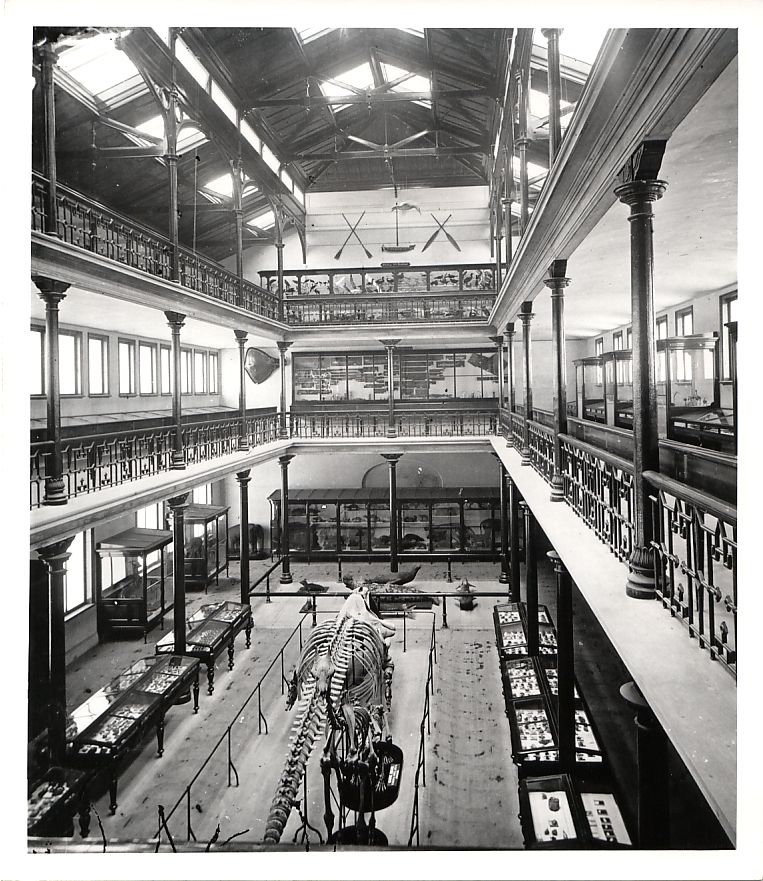
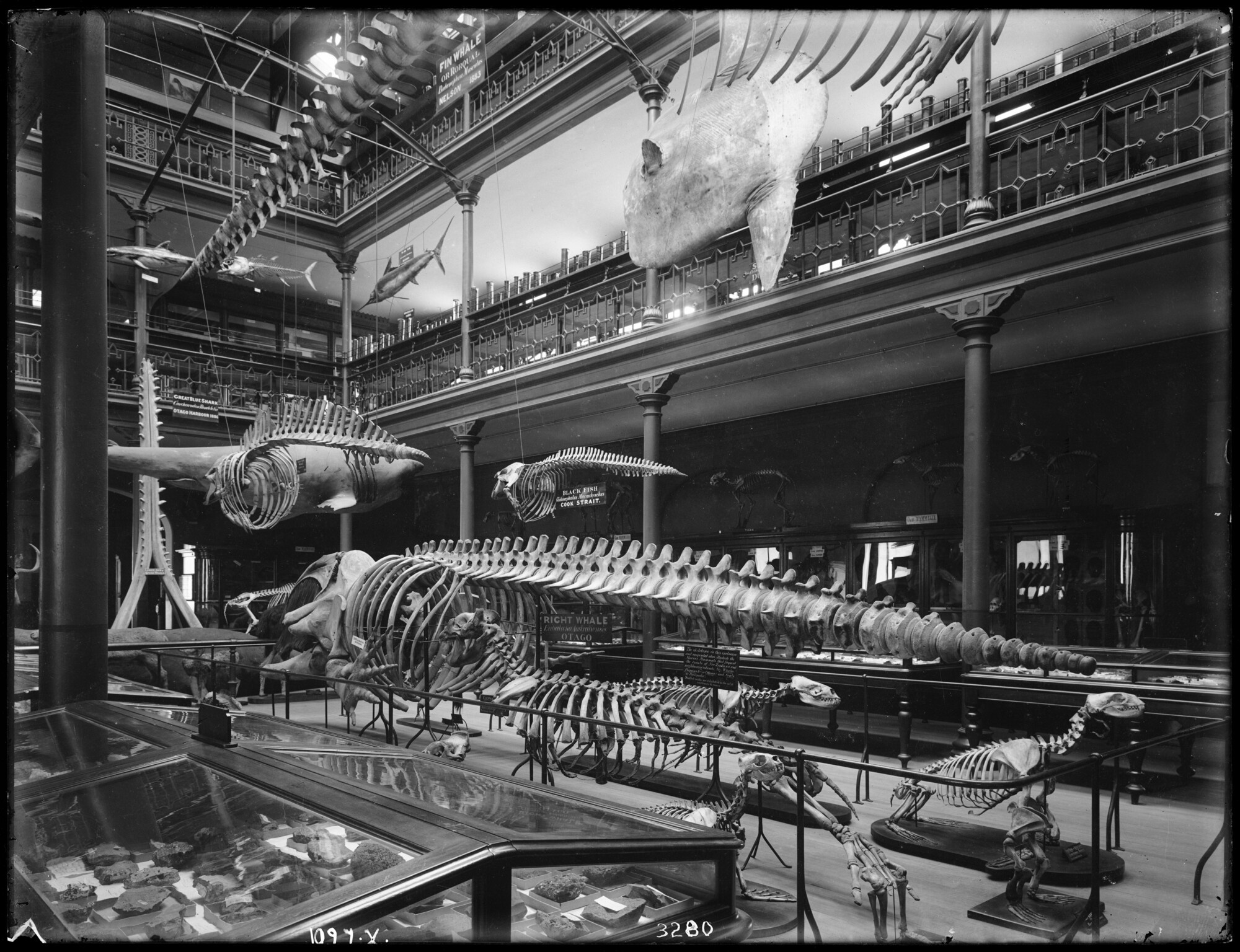
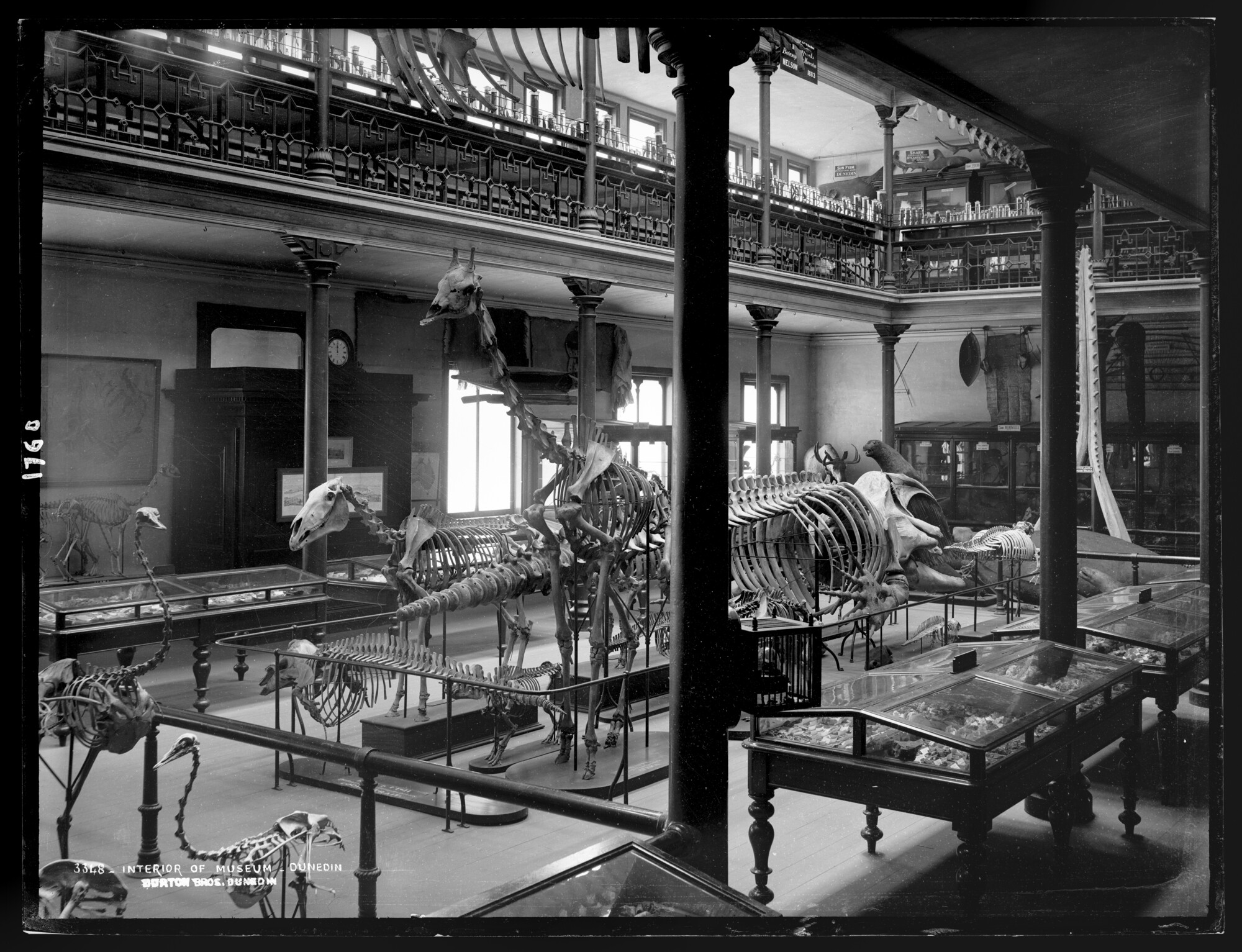
1877 was also the year that management of the Museum was handed over wholly to the University of Otago. The Museum became self-governing approximately 80 years later, but the long-standing relationship with the University resulted in close ties (which persist today) and some historically valuable teaching collections.
Parker's whale
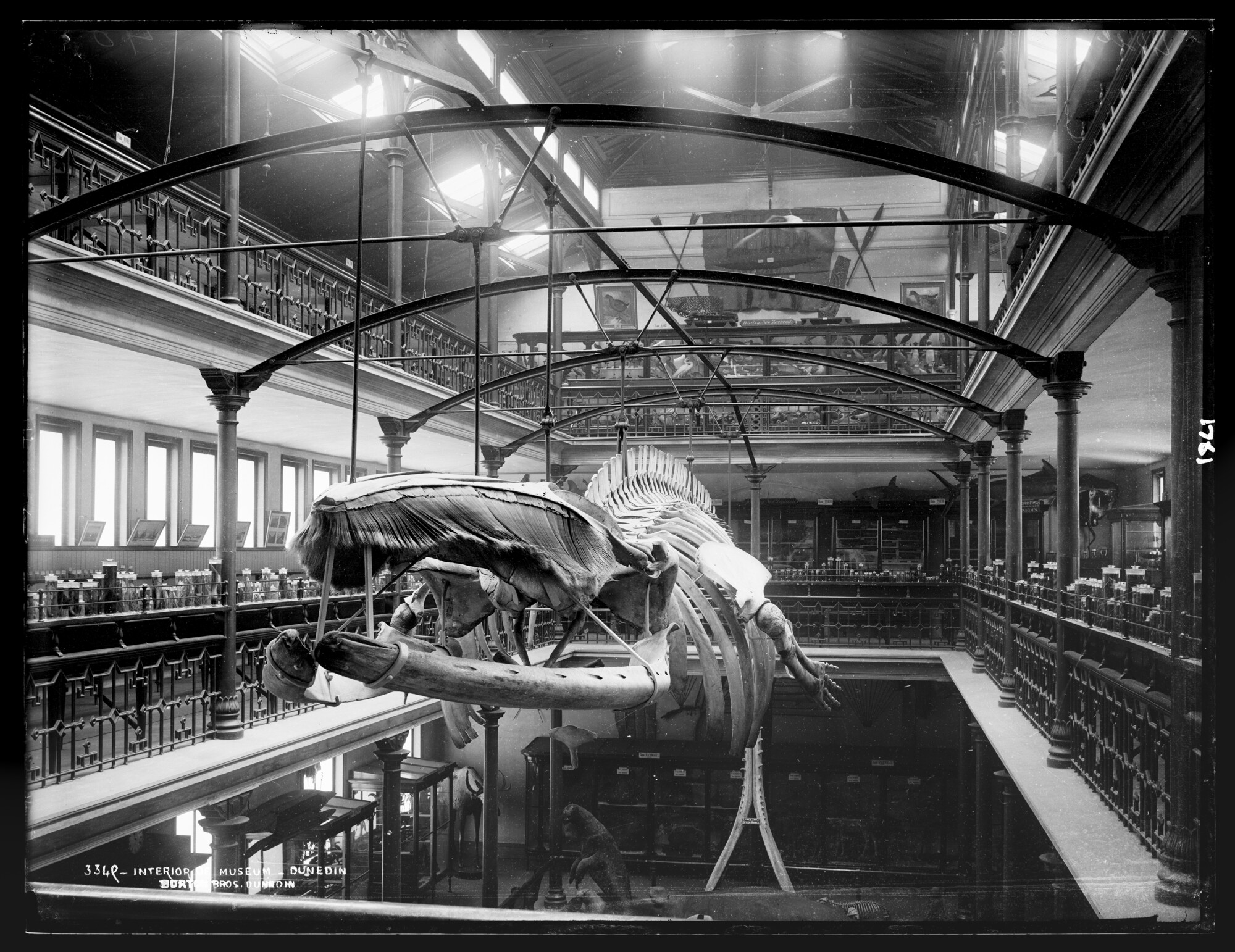
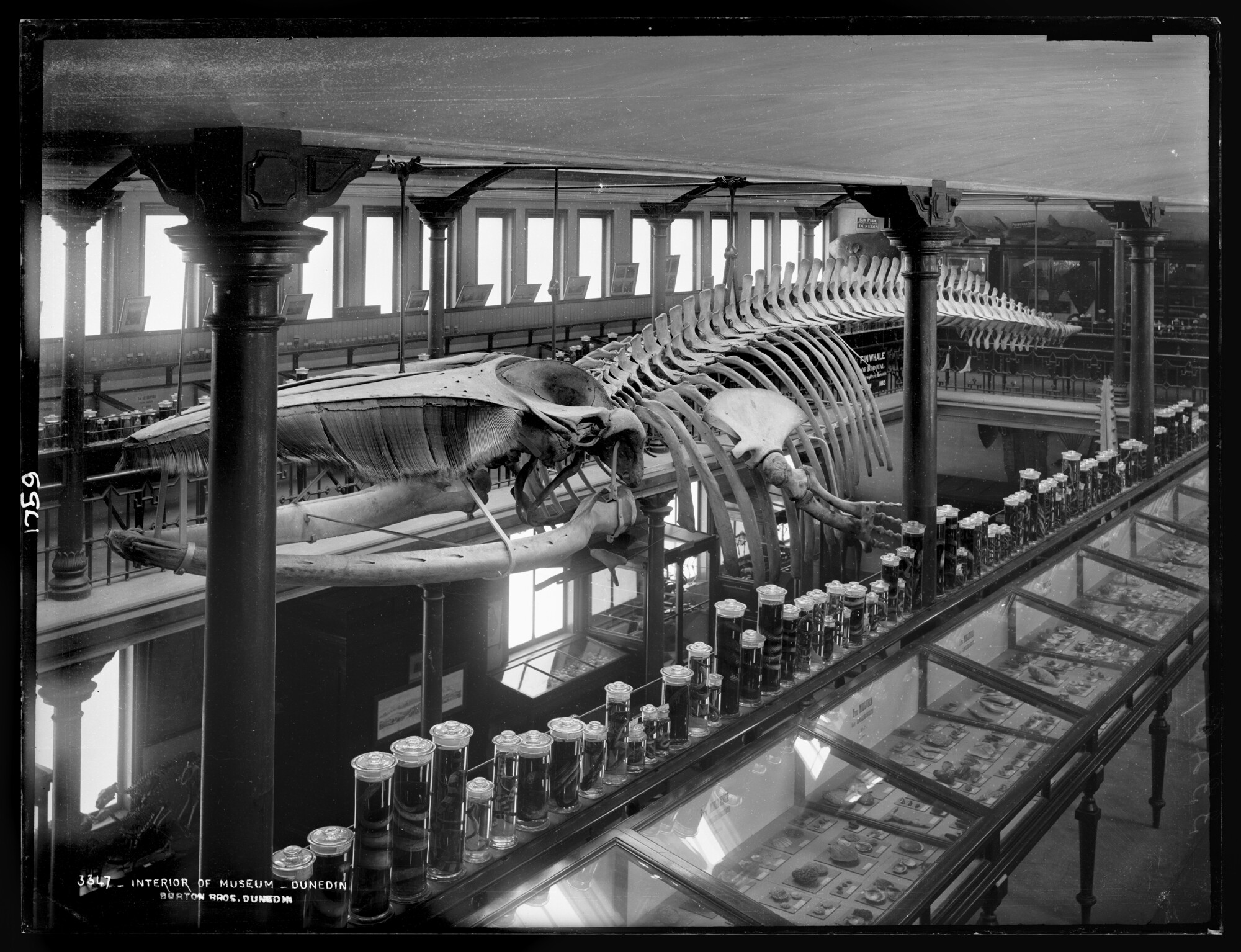
Hutton's tenure as curator concluded in 1879, and he was eventually replaced by esteemed biologist Thomas Jeffery Parker. Parker oversaw the acquisition of one of our most well-known exhibits: the fin whale skeleton. Bought from Captain Jackson Barry, a travelling raconteur and showman who toured it around the South Island, the whale was suspended in the atrium space of the Ross Building using bent railway rails.
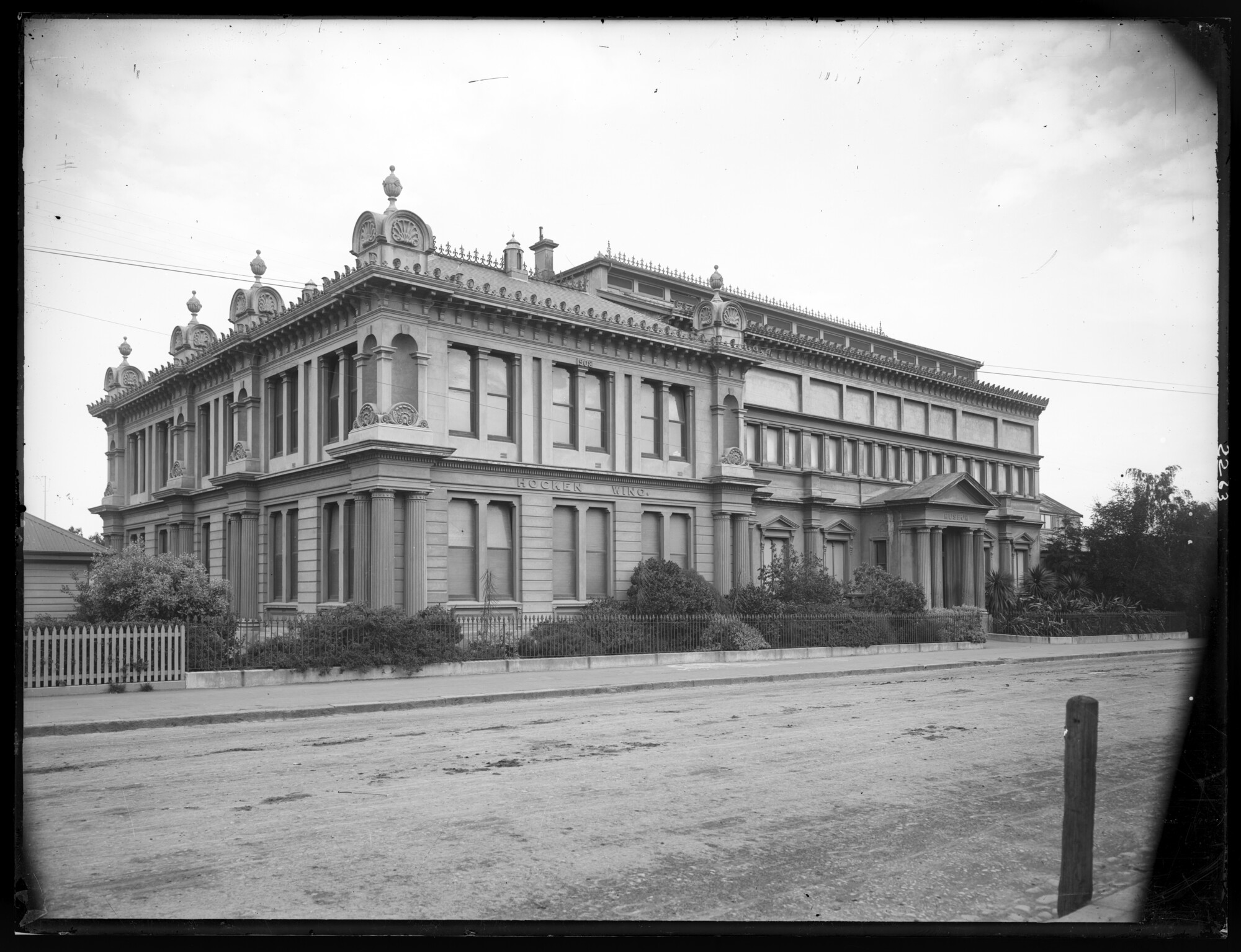
The Hocken Wing
Opened in 1910, the Hocken Wing was named for Dr Thomas Morland Hocken. It was designed by John Burnside.
You might recognise that name from the Hocken Library over on Anzac Avenue—the materials housed in our Hocken Wing later formed the basis for the Hocken Collections.
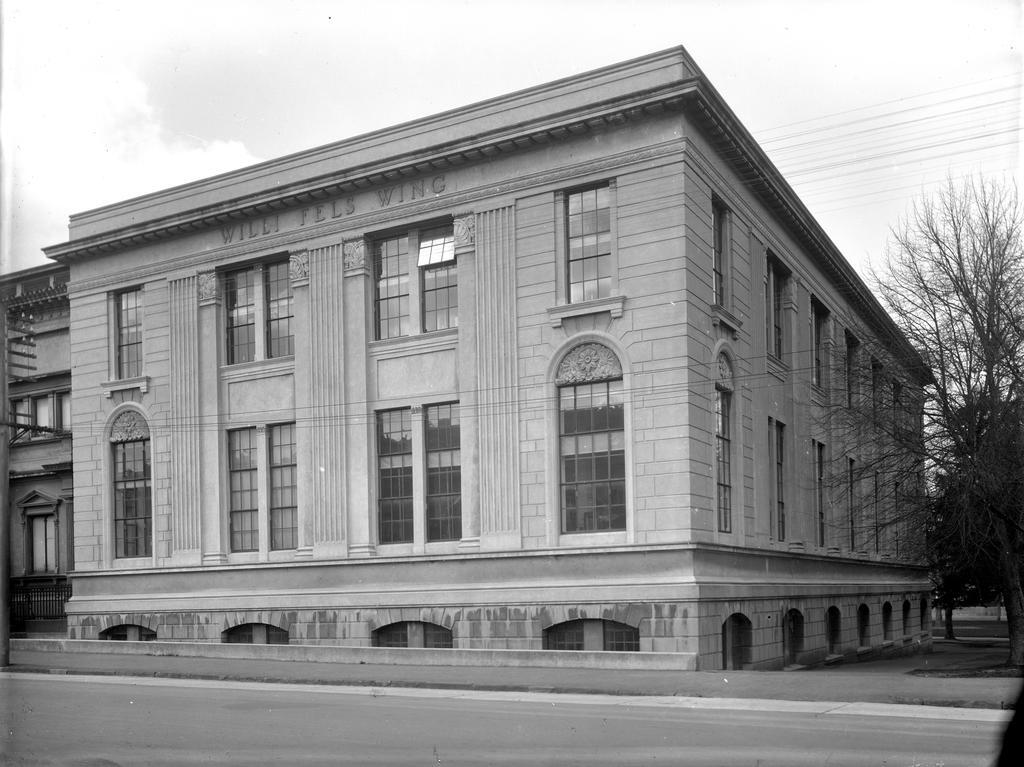
The Willi Fels Wing
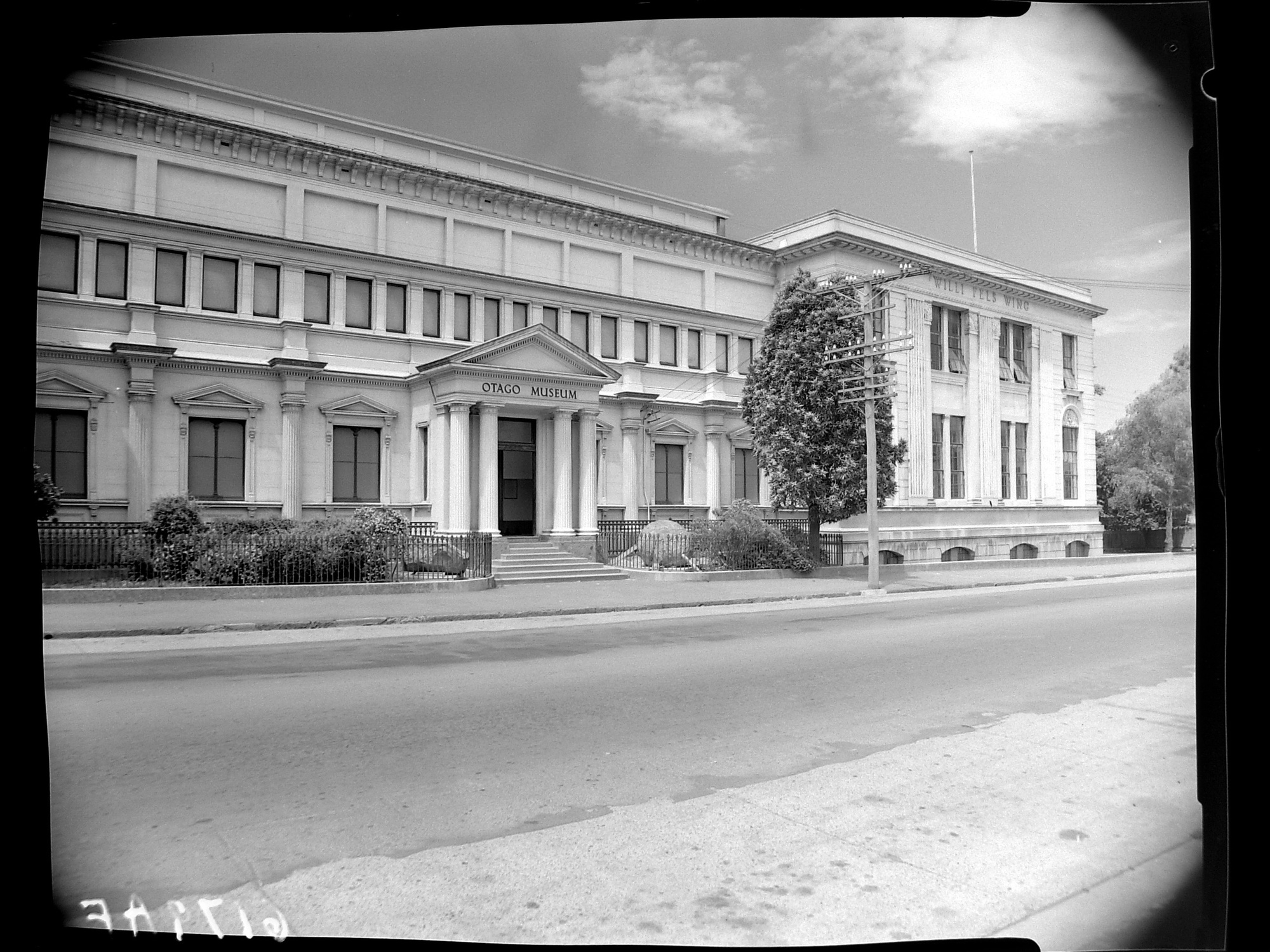
The Willi Fels Wing, designed by Edmund Anscombe, opened in 1930. It was named for one of our notable benefactors, Willi Fels, who was hugely influential in Dunedin's cultural and business circles during the early 20th century.
Fels was part of the reason the Museum needed a new wing. A prolific collector with an adventurous streak, he acquired items from many countries. Some of his family members had similar tendencies, like Bendix Hallenstein (who donated our mummy).
Today, you'll find the People of the World and Tangata Whenua galleries in the Fels Wing.
Centennial Wing
In 1963, the Museum's Centennial Wing opened to the public. Designed by James White, the new wing was originally intended to mark the Otago centenary in 1948, but the build was delayed.
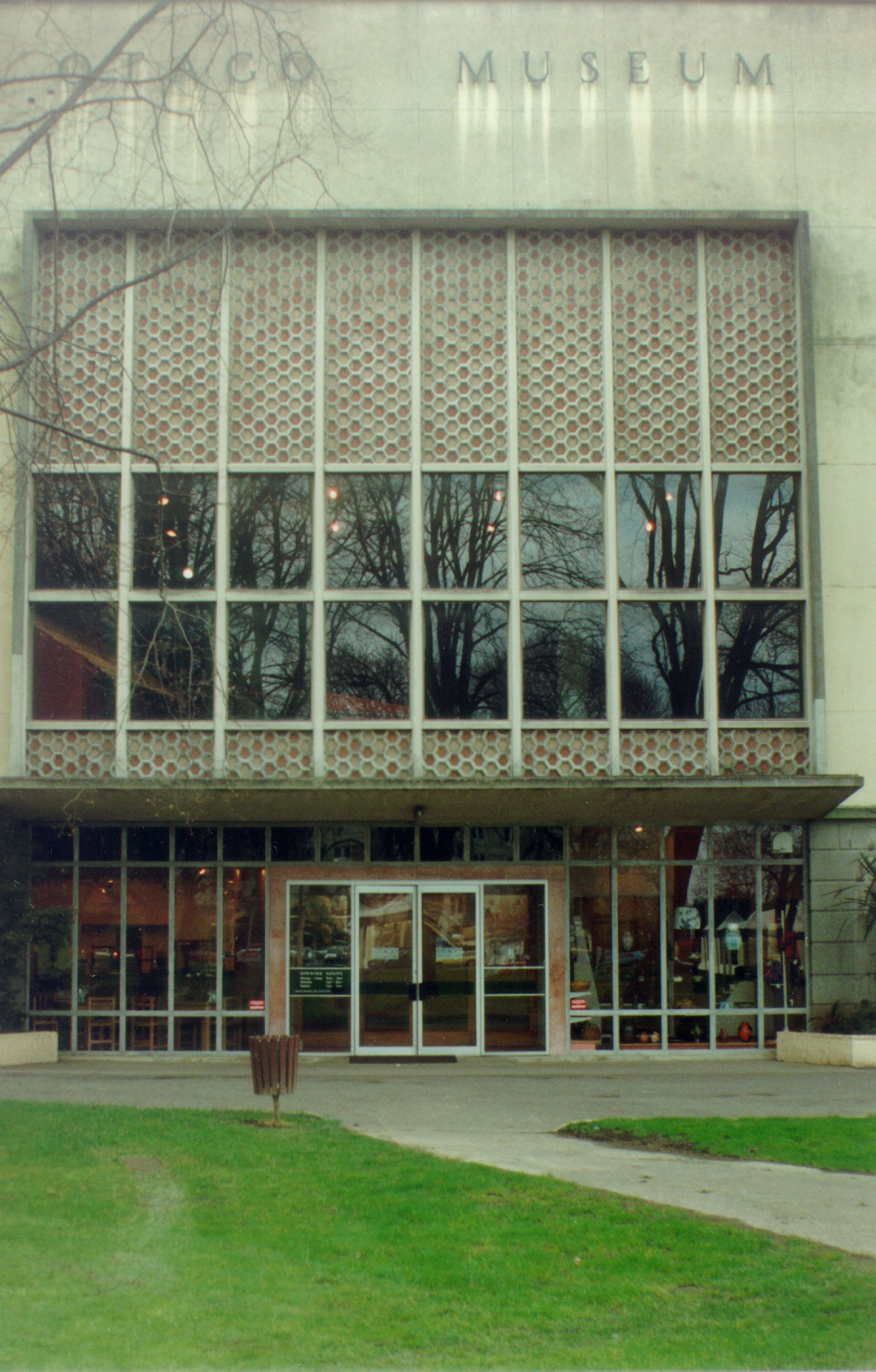
Anyone who visited in the late 1990s will remember the Museum's short-lived entrance staircase, which ascended to the first-floor reception area. It was completed in 1996 but soon replaced as part of the Ted McCoy expansion.
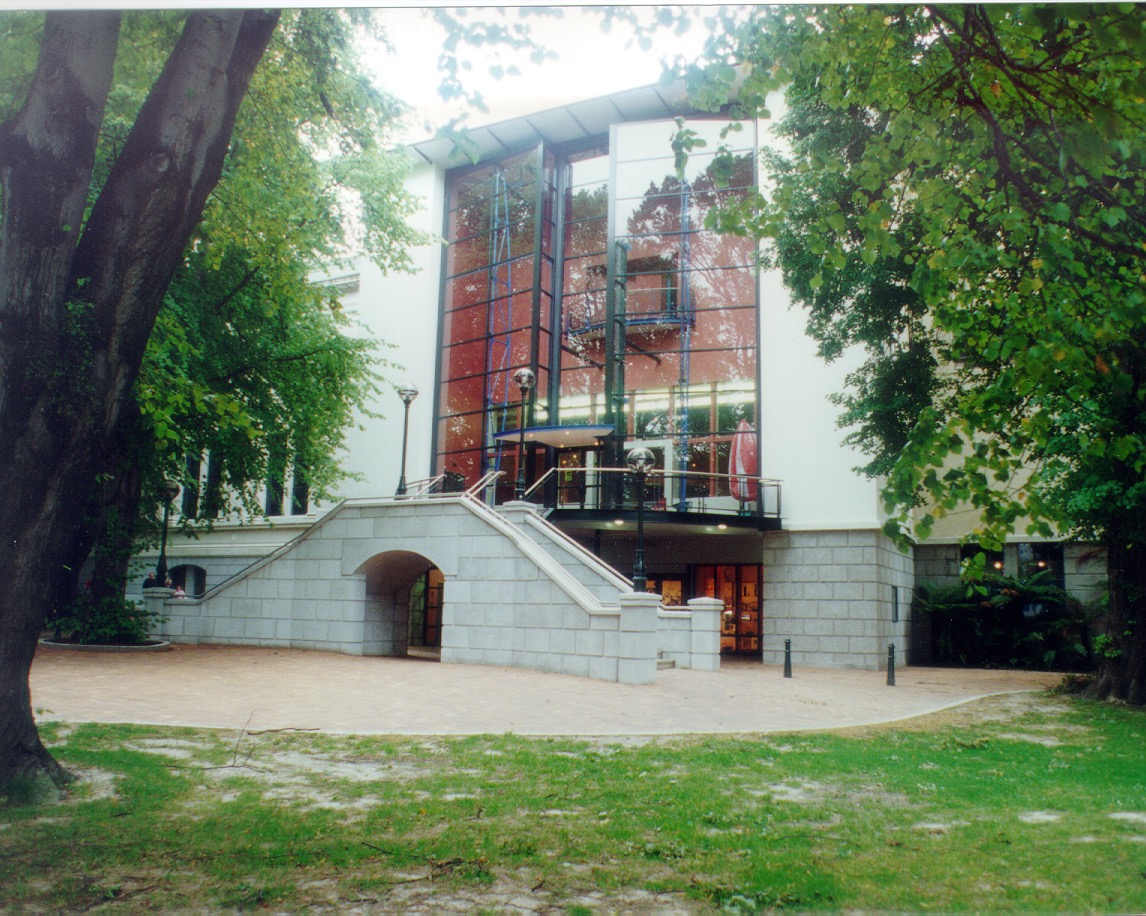
Ted McCoy expansion
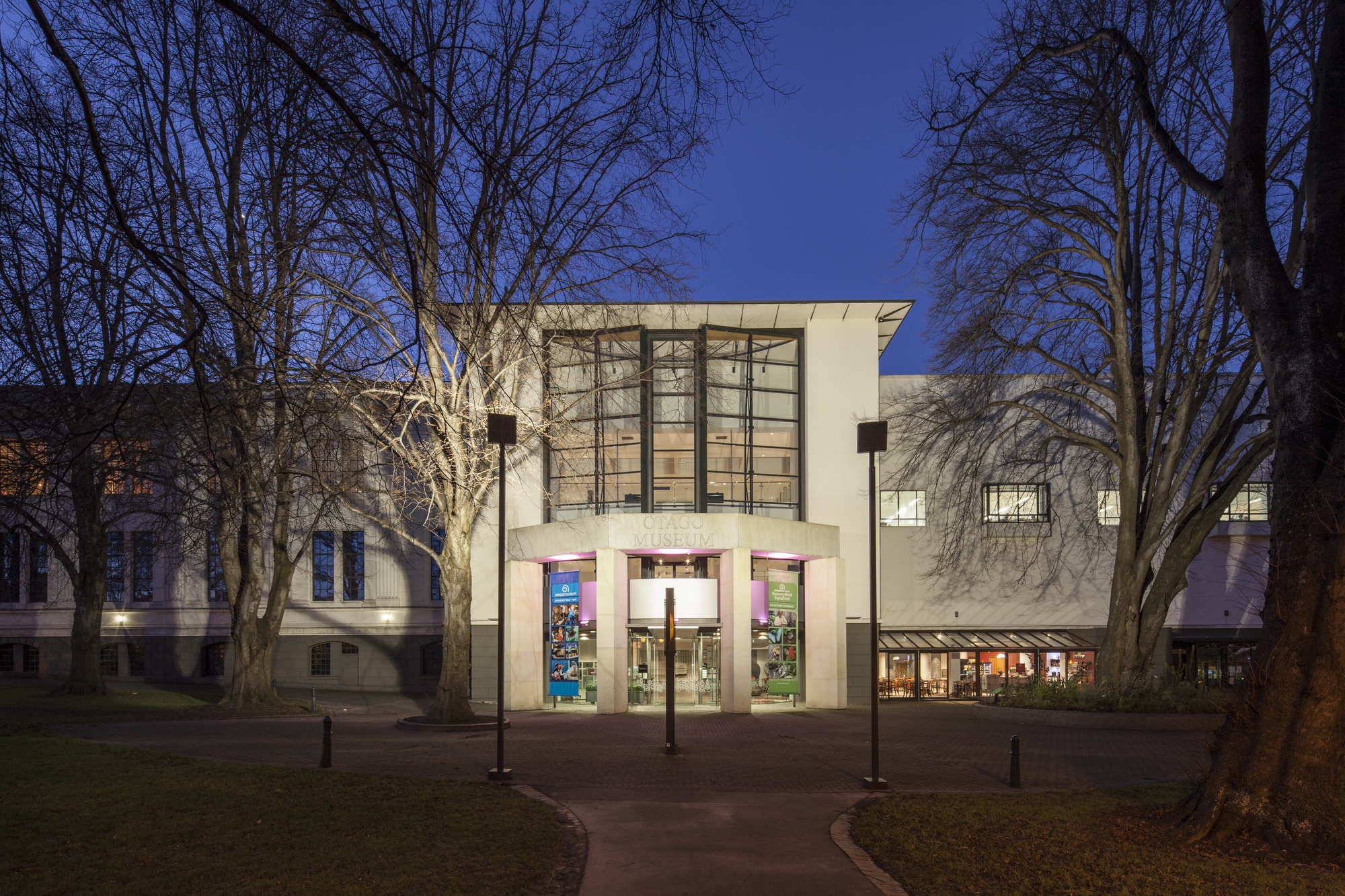
In the 1990s and 2000s, the Museum completed massive redevelopment projects designed by award-winning Dunedin architect Ted McCoy. The back of the Ross Building was extended with the addition of three floors, a central staircase, and a new main entrance, which we continue to use to this day.
H D Skinner Annex
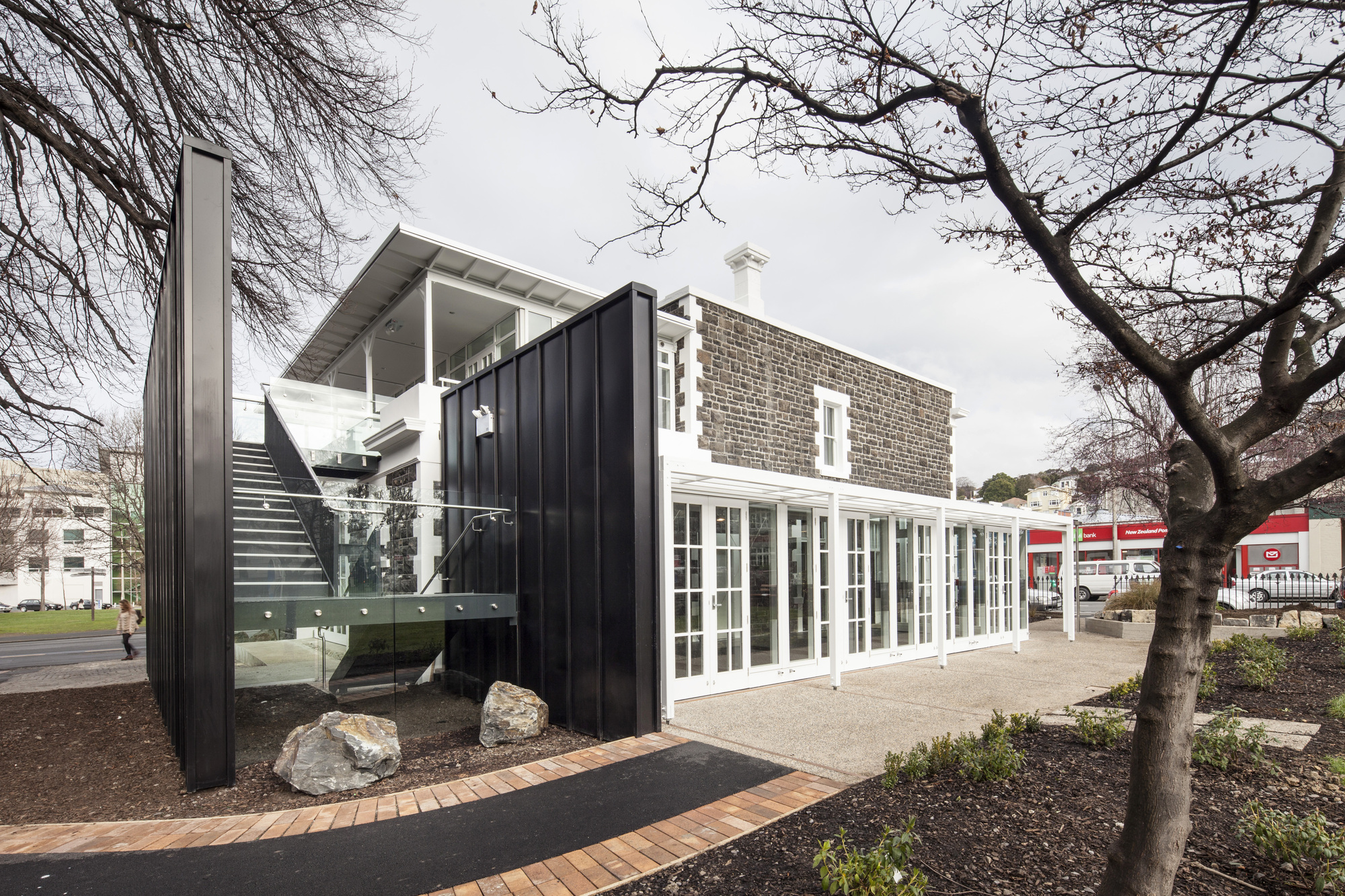
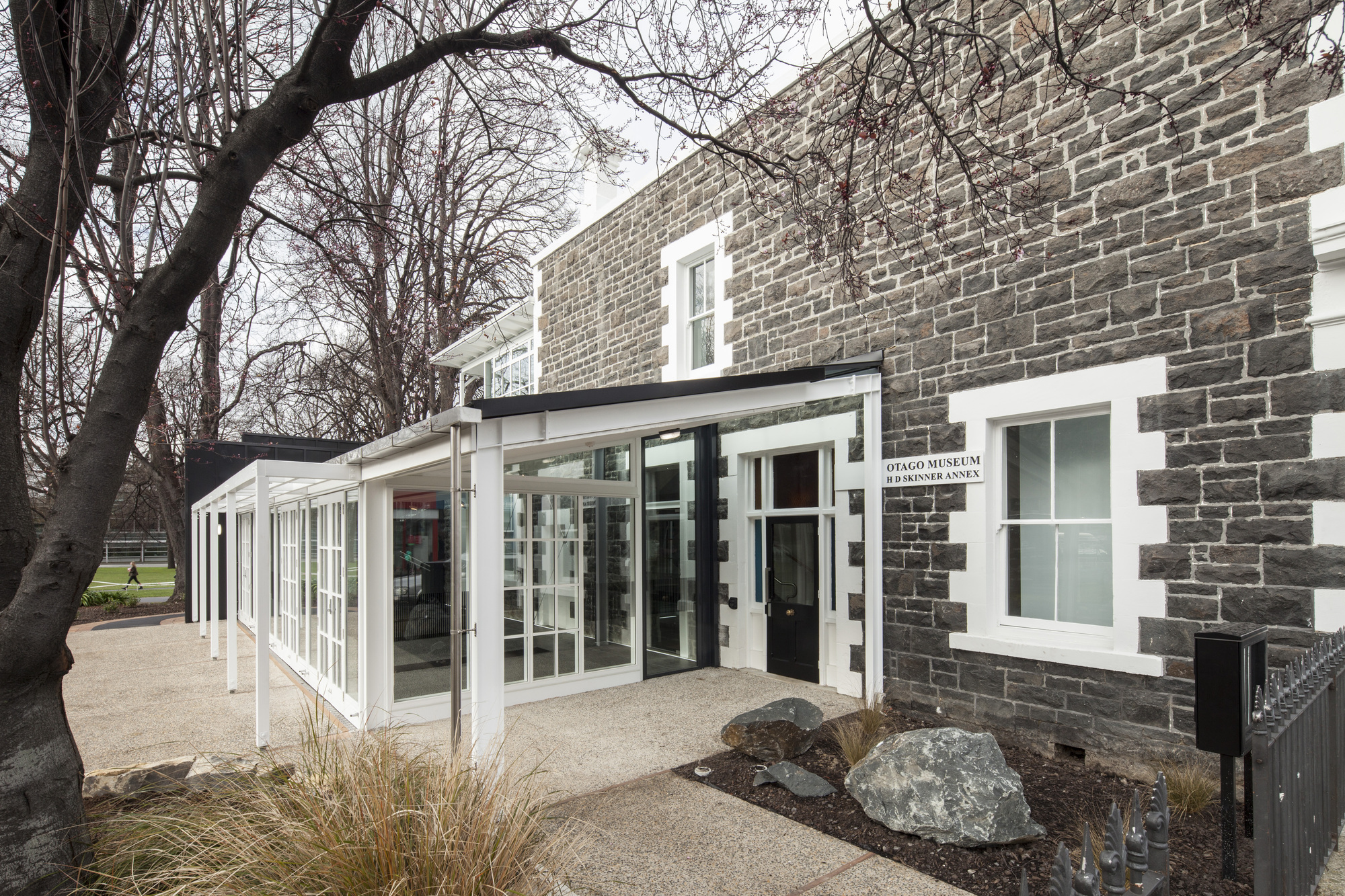
The H D Skinner Annex began its life as the Dunedin North Post Office in 1879. It was designed by William Henry Clayton.
When the post office moved across the road, Shona McFarlane of the Otago Art Society lobbied for the Dunedin City Council (DCC) to take ownership of the now-empty building. The DCC then leased it out to the Otago Art Society until 2007.
In 2010, the DCC granted the Museum a 33-year lease on the building. Since then, it's been redeveloped and now hosts special and touring exhibitions, art shows, parties, and more.
The H D Skinner Annex received a Highly Commended in the Dunedin Heritage Re-use Awards. It's now classified as a Category 1 historic building.
Science Centre redevelopment
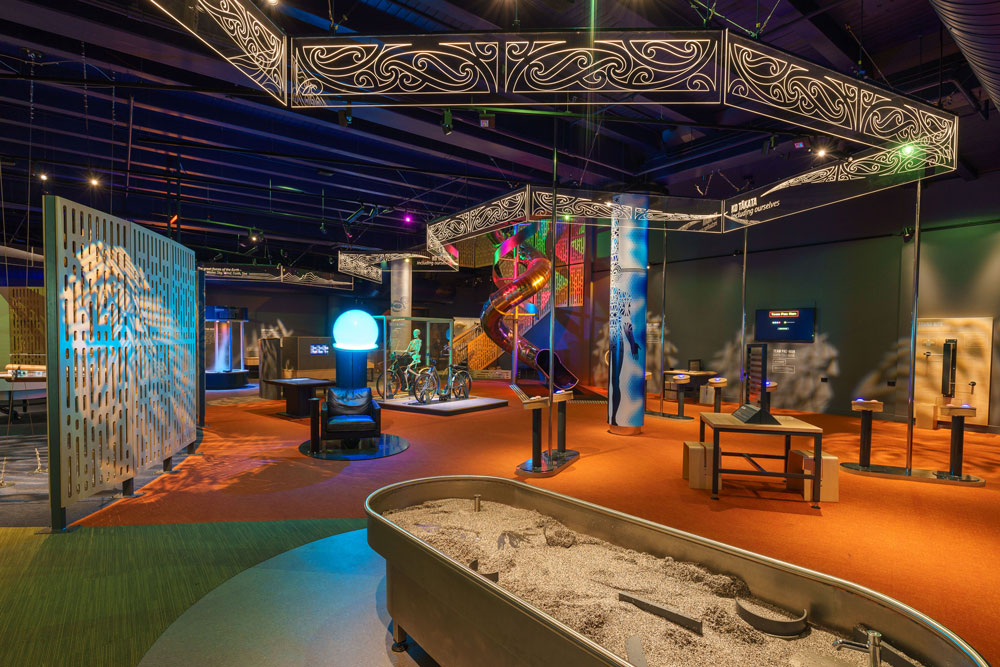
This $2.5 million redevelopment of the Museum's former Discovery World (opened in 1991) and Tropical Forest (opened in 2007) was supported with $500,000 in funding from the Otago Community Trust. The redevelopment is now home to over 45 hands-on science interactives, including the three-tier Tropical Forest. The digitally interactive Beautiful Science Gallery and Perpetual Guardian Planetarium were both completed in December 2015 during stage one of the project.
A new name for the Museum
In 2022, Otago Museum | Te Whare Taoka o Otago was renamed 'Tūhura Otago Museum'. Gifted by local rūnaka, the new name, which means to discover, investigate, and explore, was chosen to better reflect the Museum's mission: inspiring curiosity, wonder, and understanding in the world. The change was also seen as another step towards true biculturalism for the Museum, in honour of Te Tiriti.
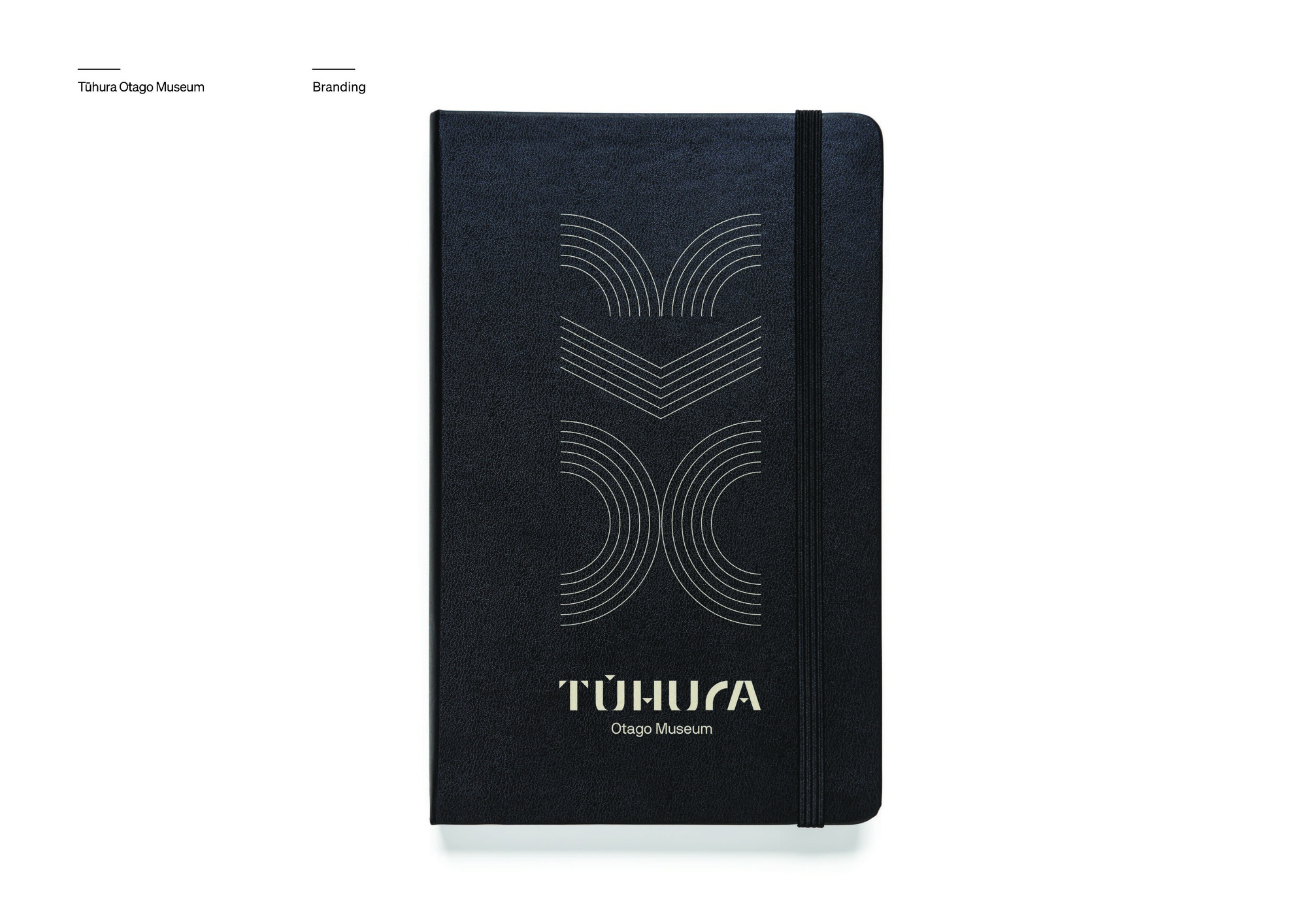
The following year, Tūhura Otago Museum announced new branding, created in collaboration with local rūnaka and designers. The logo's lettering and accompanying visual elements have been designed to look as if they are emerging from the earth, representing the growth of knowledge and understanding.
Share a memory with us!
We love hearing about your visits, whether they happened this year or decades ago. Share a photo of you at the Museum with the hashtag #TuhuraHistory!