Huarewa Kararehe
Animal Attic


Weird and wonderful creatures in a Victorian-inspired setting
About
The Animal Attic is sometimes called a “museum within the Museum”.
It not only sheds light on taxonomy and evolution, but on Victorian-era architecture and ideas about how museums should be presented to the public. From birds and bears to monkeys and molluscs, the Animal Attic highlights the diversity of species on Earth and explores evolutionary relationships in the animal kingdom.
The Attic is a treasure trove of taxidermy, pinned insects, and pickled and preserved animals. It was originally created to demonstrate taxonomy (the Linnaean classification of living things) and illustrate Darwin’s theory of evolution.
This historic space has been restored with Victorian flair but actually dates back to 1877 when the Museum first opened on Great King Street. The collection, much of which is still on display, was assembled and curated by a succession of highly regarded and well-connected British scientists: Frederick Wollaston Hutton, Thomas Jeffery Parker, and William Blaxland Benham.
As museum practices and values have changed over the last century and a half, so have our display methods. You might notice that some of these historic specimens show signs of damage from being exposed to the natural sunlight that once lit the gallery. In this way, they reflect not only the evolution of the natural world, but the evolution of a museum.
Don't Miss
The Lawrence lions, Sonia and Sultan, who escaped from a travelling circus in Lawrence, Central Otago in 1978
An eight-member rat king
A whale eyeball
A tooth from megalodon, the largest species of shark that ever lived
A trichobezoar (hairball) found in the stomach of a cow at the Whanganui meat works
The giant shell of a green turtle—try it on if you've ever wondered what you'd look like as a sea turtle
Kā Taoka Hirahira
Gallery Highlights
-_-dunedin.jpg)
Rat king
Rattus rattus
-_-central-america.jpg)
Resplendent quetzal
Pharomachrus mocinno
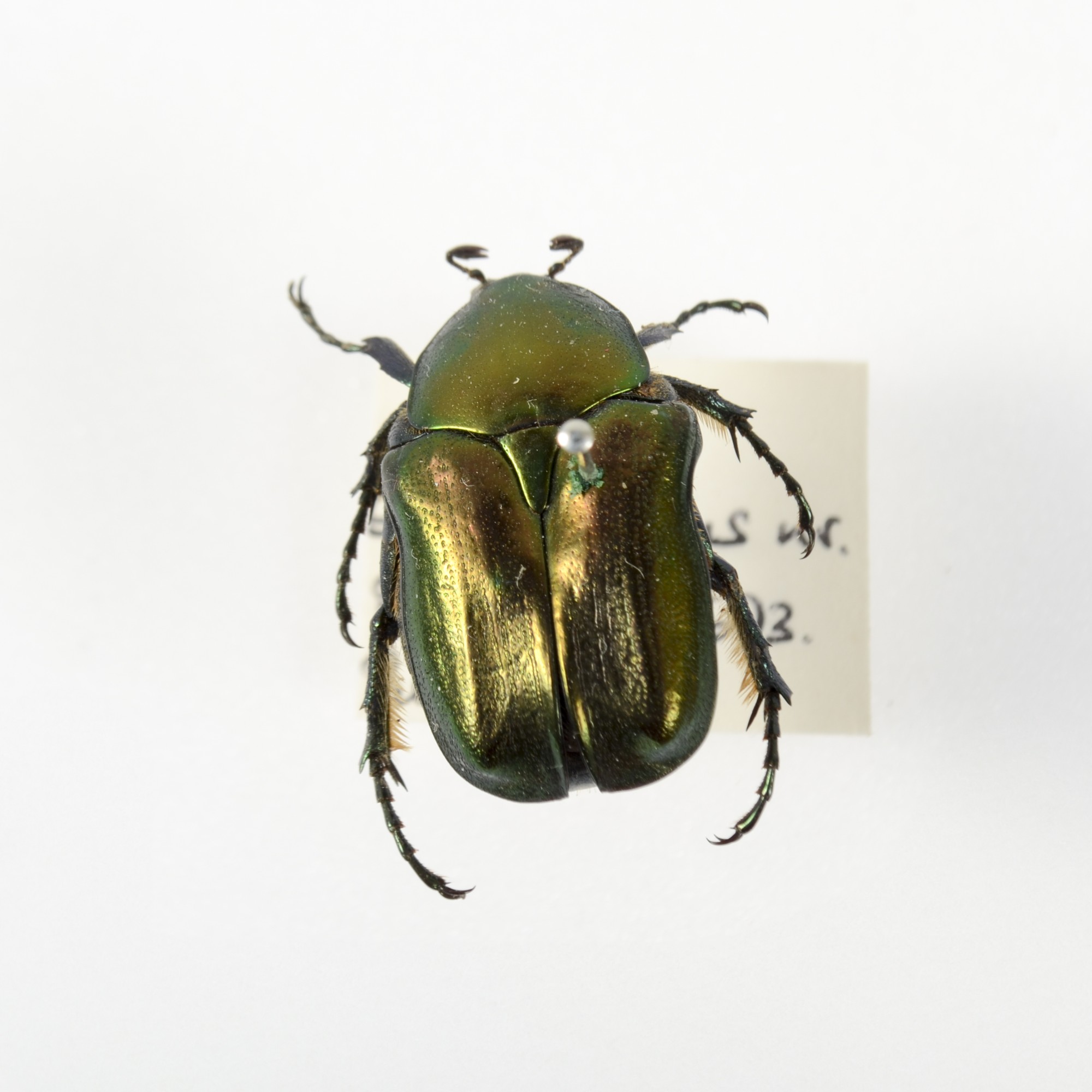
Rose Chafer Beetle
Cetonia aurata
-_-india.jpg)
Sloth bear
Melursus ursinus