Te Whakahoki Kōiwi Takata
Repatriating Taoka Māori
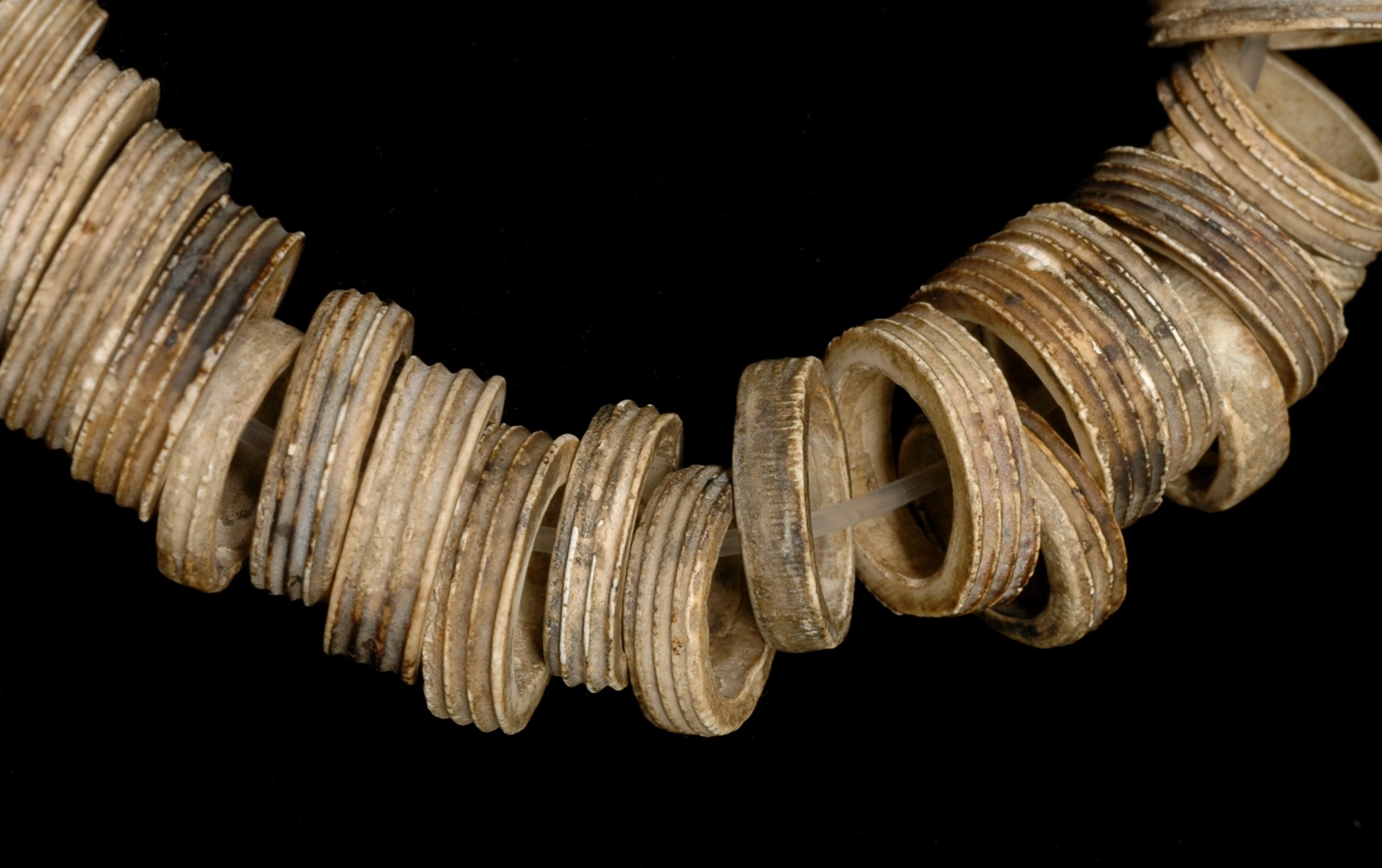
Many taoka have become separated from their descendant communities, sometimes through historical collecting by colonial institutions focused on sharing scientific interpretations of ‘other’ cultures to predominantly Pākehā audiences. Other times, artefacts have been found by the public in places where Māori connections to land have been severed. Around the world, a major contention Indigenous communities have with museums is the ongoing separation from their heritage treasures and stories told through those.
Indigenous rights to heritage are upheld internationally by the United Nations Declaration on the Rights of Indigenous Peoples and locally through Te Tiriti o Waitangi. Tūhura Otago Museum recognises these rights to heritage, and addressing historically collected human remains (kōiwi takata) is our foremost priority. We also actively engage with iwi to help them reconnect with taoka historically held by the Museum. This includes facilitating the safe transfer of taoka that have been found or held privately to date.
Jump to
Kā Whakatauka Kerēme Tiriti
Treaty Claim Settlements
Several iwi have advanced the return of taoka significant to their tribal identity through the Treaty of Waitangi claims process. In Otago, the return of the wharenui Mataatua, built in 1875, was particularly significant. Following the 1925–26 Dunedin Exhibition, it was installed in a central space in Otago Museum in 1930. At the time, New Zealand’s large museums sought to feature Māori culture through elaborately carved meeting houses, war canoes, and storehouses.
As Otago Museum’s centrepiece, Mataatua was iconic in the visitor experience. Ngāti Awa, however, had long contested the whare’s ownership and called for its return, as championed by Sir Hirini Moko Mead. In settling Ngāti Awa’s Treaty claim in 1996, the Government negotiated the return of Mataatua, compensating Otago Museum with funds that have since been held for a new Māori display.
The whare was reopened in the Bay of Plenty in 2011, and its story was published in Mataatua Wharenui: Te Whare i Hoki Mai (written by Hirini Moko Mead and Layne Harvey), as well as given musical life in 2025 through The Journey of Mataatua Whare: the house that came home, composed by Dame Gillian Whitehead.
Mataatua Wharenui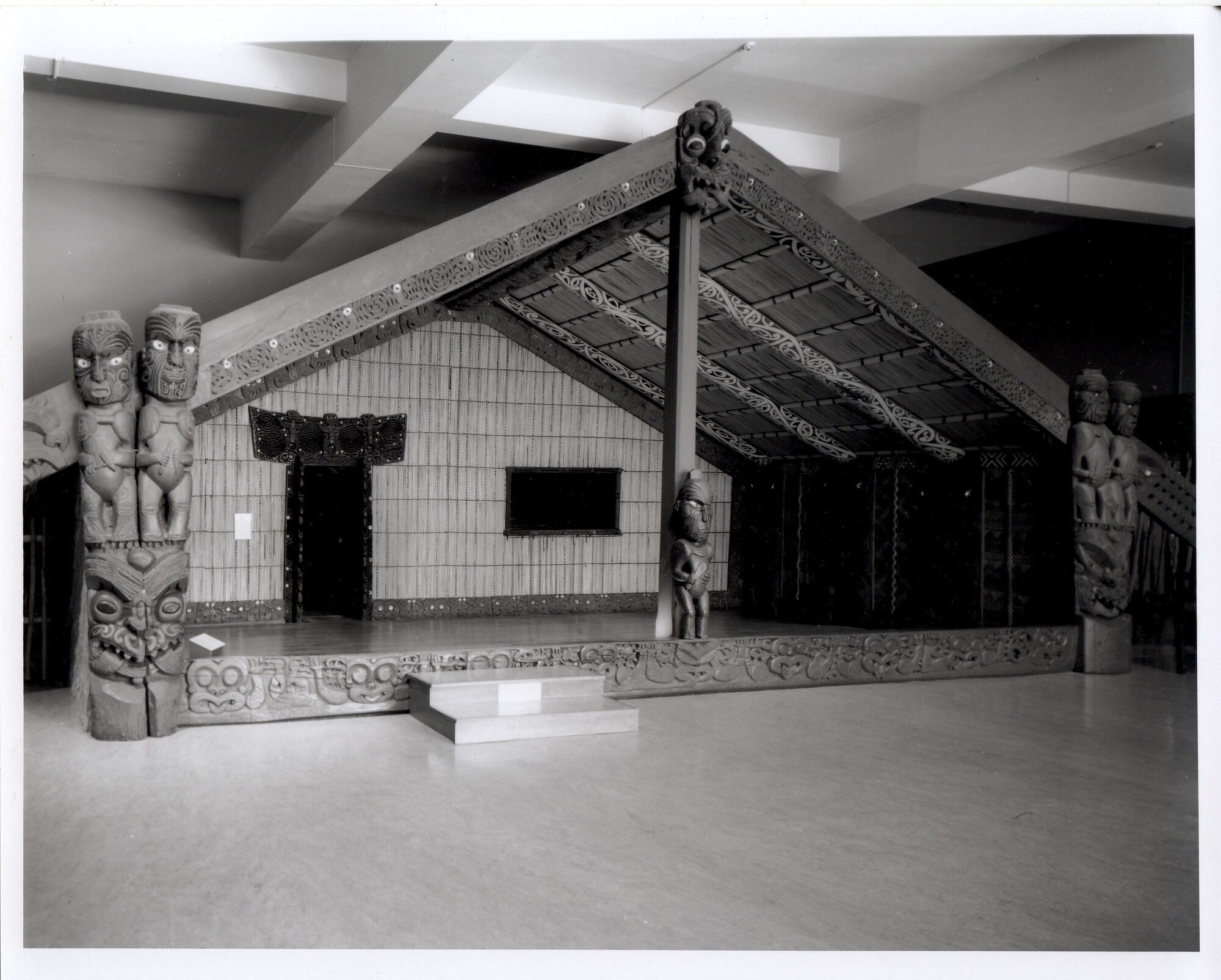
A most significant taoka, a taiaha named Maungārongo, was returned to Ngāti Maniapoto in 2022 as part of their Treaty claim settlement. This long wooden weapon played a role in defending Te Rohe Potae – the King Country at the time of colonial Pākehā intrusion into the central North Island. Given to Parliament as a sign of peace in 1885, the taoka was then passed to a Dunedin parliamentarian and subsequently to Otago Museum. Tūhura Otago Museum supported the taoka’s return to the iwi in coordination with the Crown.
Watch the Return on Tahu News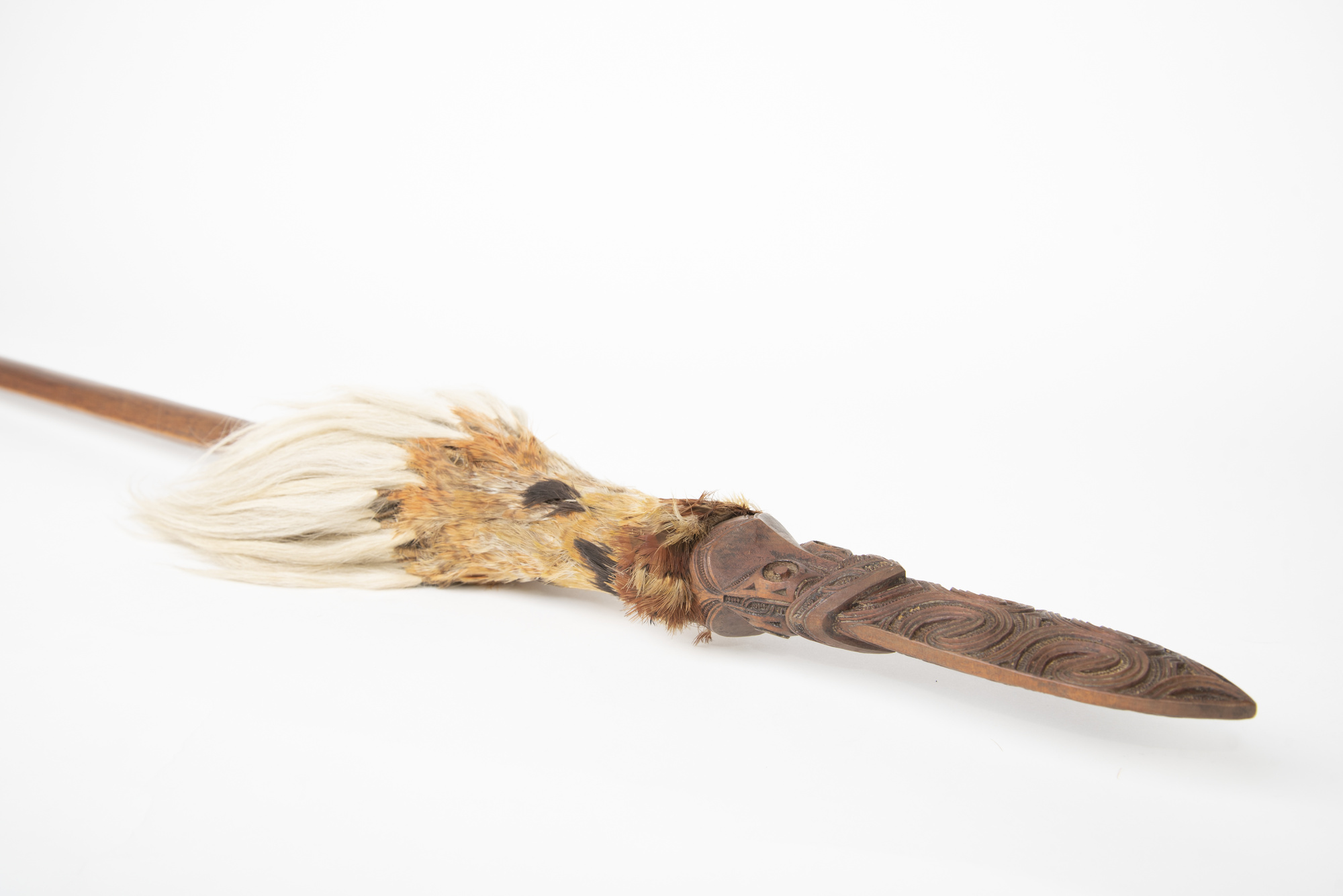
Te Tautoko Honoka ā-Hapori
Supporting Community Connections
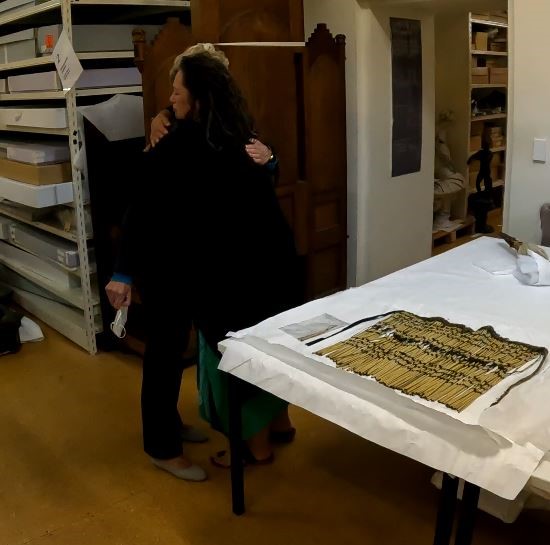
History sees many taoka find their way into different hands, and for various reasons the story of where the taoka came from gets obscured or lost. Sometimes when people pass away, taoka are found in their estate and the surviving family members do not feel connected to the treasures but would like to see them appropriately housed. Tūhura is happy to help members of the community consider how to best care for or, if possible, facilitate taoka returns to iwi. The first step is a careful identification to determine the taoka’s likely age and character, and then provenance inquiries to try to identify its history and origins.
If a taoka is offered to Tūhura Otago Museum, we will first try to identify the iwi of origin and ascertain their view on where the taoka should be homed. This has seen taoka returned to marae or local museums near where they have been found. For example, a tokotoko (carved walking stick) that had been passed down through a family now living in Dunedin was returned to iwi and the Mangawhai Museum. Another example is a piupiu, once given by a rakatira to a doctor for helping save a young child in Mōkau in the King Country. With the help of the local Mōkau Museum, the taoka was returned and descendants of the original parties were able to reconnect.
Contact our taoka Māori staff for help with taoka identification and repatriation.
Te Whakahoki Kōiwi Takata
Repatriating Kōiwi Takata, Human Remains
Kōiwi takata, human bones, were once actively collected by museums for scientific study. Tūhura Otago Museum no longer actively collects human remains, but it does still hold a significant number of those collected historically. Now looking to return those kōiwi to their place of origin, Tūhura is a member of the New Zealand Repatriation Research Network. The network comprises 17 participating museums, which work together to determine the provenance of kōiwi and aid their coordinated and timely repatriation.
In recent years, Tūhura has supported the return of kōiwi takata locally to Kāti Huirapa Rūnaka ki Puketeraki and Te Rūnanga o Ōtākou. This has seen kōiwi from Karitane, the Otago Peninsula, and the wider Dunedin City area reinterred. Another significant repatriation (this one coordinated through Te Papa) was the gathering of kōimi t’chakat (Moriori ancestral remains) from museum collections around the country, ready for transfer back to Rēkohu (the Chatham Islands). All kōiwi repatriations by Tūhura Otago Museum are preceded by meticulous provenance research to ensure that the kōiwi are returned to where they should be.