Rauemi Kaupapa Māori
Kaupapa Māori Resources
Kaupapa Māori enquiries commonly seek information on taoka held in the Museum’s collection, provenance research on specific taoka, or assistance with newly found taoka. We can help network with rūnaka and local museums across the lower South Island, and with iwi in the North Island through our fellow regional museums. We can also assist with research queries through our links to universities and heritage organisations, as well as with the identification of possible taoka Māori and reporting for the Protected Objects Act 1975.
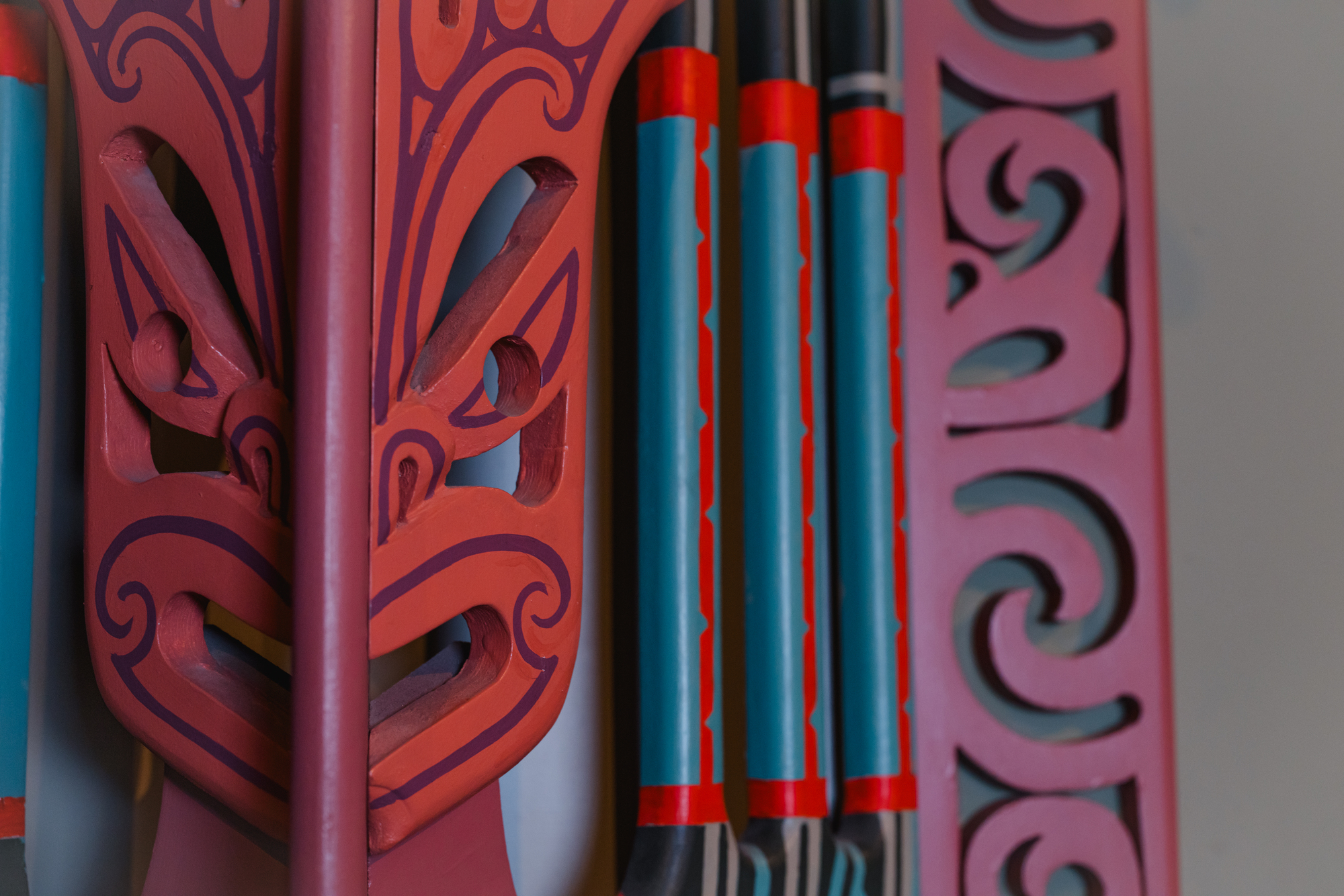
Te Tautohu me te Pūroko mō te Taoka Māori
Taoka Māori Identification and Reporting
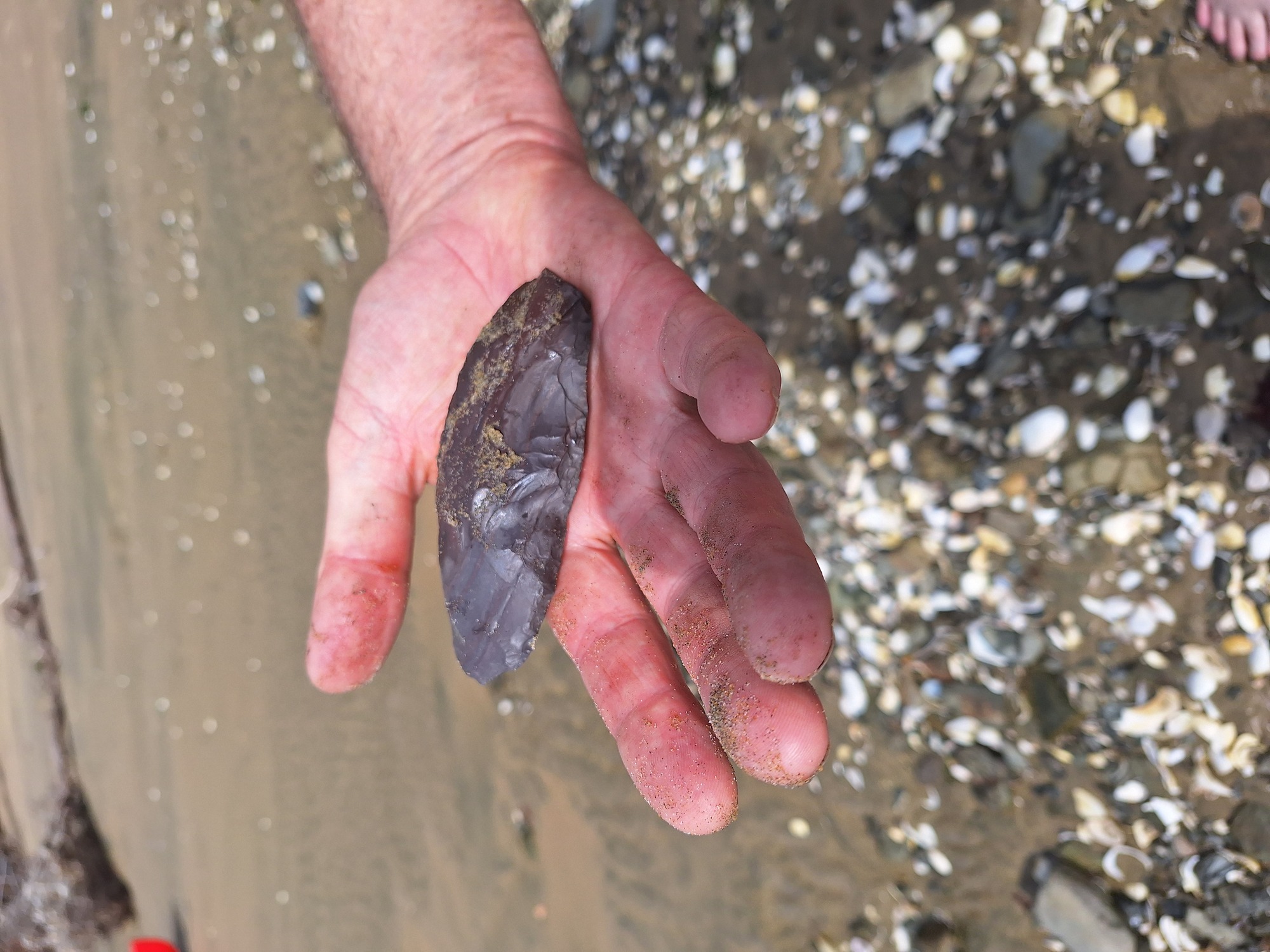
Across the lower South Island, Māori artefacts are often found exposed on beaches, riversides, or in earthworks. If artefacts are still embedded in the ground, they are part of an archaeological site which should not be disturbed. Rather, it should be reported to Heritage New Zealand Pouhere Taonga, who can advise on the appropriate action for the safe protection or recovery of taoka and the archaeological information.
If an artefact is found and collected by members of the community, it must be reported to the Manatū Taonga Ministry for Culture & Heritage under the Protected Objects Act 1975. This ensures the heritage is properly recorded and the right care for the taoka can be determined. There are various possibilities that the Ministry considers, including awarding care to the finder of the taoka, placing it with the local marae, or entrusting it to the local museum. Importantly, the first step is to have the taoka properly identified and reported. Tūhura Otago Museum provides an identification and reporting service for the community and the Ministry. Anyone finding what they believe may be an artefact can contact our taoka Māori staff for this support. More details on Protected Objects are available through the Manatū Taonga Ministry for Culture & Heritage.
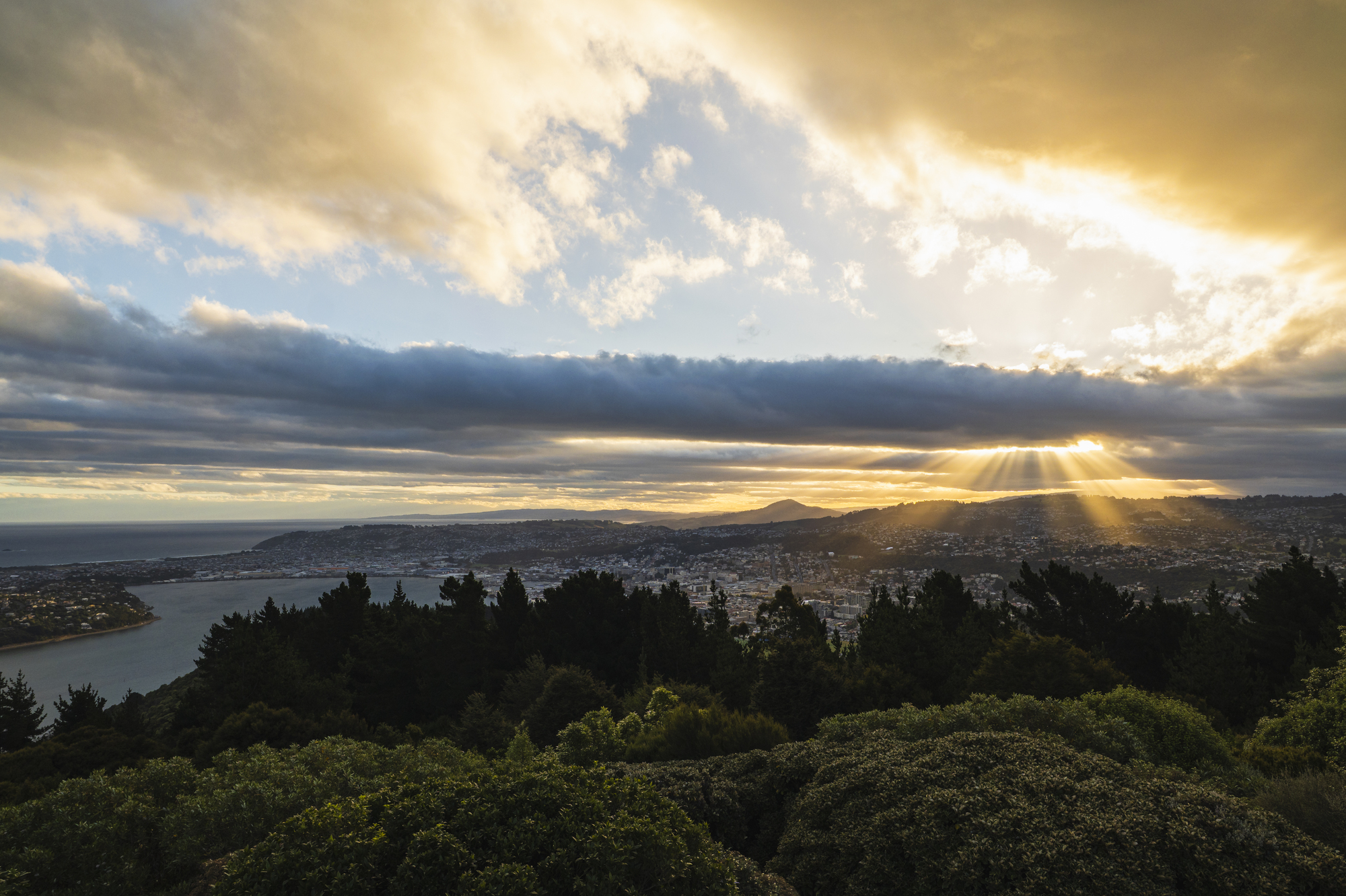
Finding Kōiwi Takata, Human Remains
Kōiwi are regularly found eroding from graves, especially along beachfronts. If any human bones are found, the first point of contact must always be the local police. They will evaluate whether the scene is a matter for police investigation and will get expert identification. Tūhura does have a wāhi tapu, a separate space for kōiwi, should a marae wish them to be held pending examination or re-burial. It is illegal to hold kōiwi privately, and Tūhura will help facilitate repatriation if there are historical holdings. However, any kōiwi can only be received at the Museum by prior arrangement with the collections staff. It is not appropriate to bring kōiwi into the Museum reception or other public spaces. Please contact our taoka Māori staff for prior advice.
Taoka Māori Provenance Research
Provenance research investigates the history and place of origin of a taoka. The heritage value of a taoka often relates to where it came from, the wider social context in which it may have been made or used, and its subsequent collection history. Understanding the provenance of a taoka allows its relevance to wider whānau, community, and local histories to be recognised. Provenance research for taoka in the lower South Island will often reference archives, such as those at the Hocken Library and Archives New Zealand, and the records of local museums that may hold taoka. Also important are archaeological records and Māori history of southern places, which are accessible through the NZ Archaeological Association and Ngāi Tahu.
New Zealand Archaeological Association
The NZ Archaeological Association is a membership organisation of archaeologists that advocates for archaeological heritage across Aotearoa. It has developed and maintained the NZ archaeological site record scheme, which provides information on the location of sites and what they hold. ArchSite, the digital platform for the scheme, provides a freely available public map of basic site locations. This is useful for checking to see if there are known archaeological sites near where a taoka has been found. Subscribed members can also access detailed information and site records through ArchSite.
Local archaeological site information has often been published in reports through the newsletter Archaeology in New Zealand or historically in the NZ Journal of Archaeology. Digitised articles from these series are searchable and freely available online, as are articles older than three years in the Journal of Pacific Archaeology.
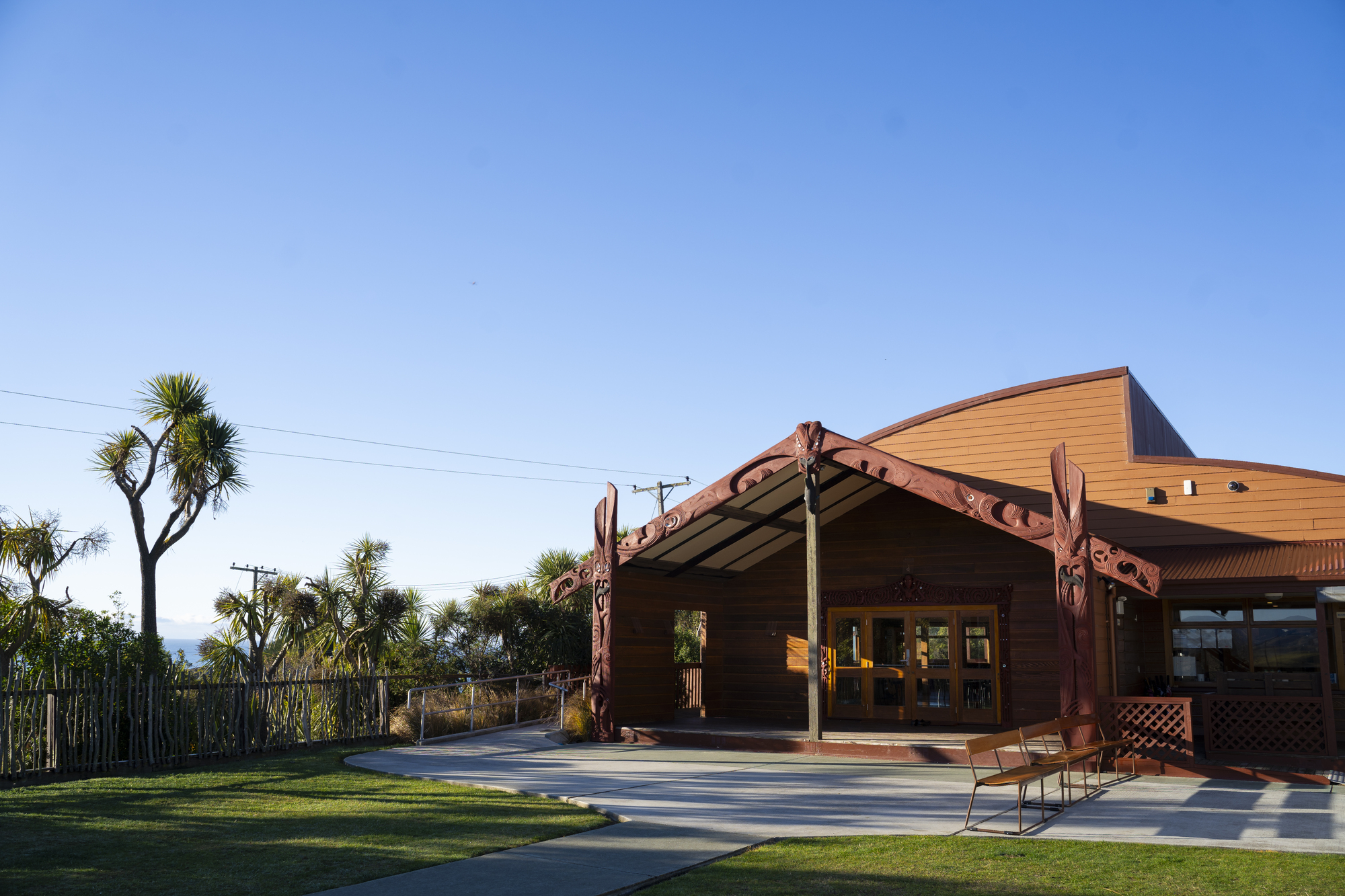
Te Rūnanga o Ngāi Tahu
The Māori history of a place can help inform the wider context of where a taoka was found or the story of the people who made it. Kā Huru Manu is an internet-accessible cultural mapping platform produced by Ngāi Tahu that provides traditional names, as well as directions to historical references for places of significance to Ngāi Tahu around the South Island. Alongside Kā Huru Manu, the Ngāi Tahu archive Kareao is another source that may hold information on whānau and tūpuna who may have historical associations with the taoka being researched.